
I mentioned our bedroom humidity problem a few weeks ago and it’s something I’ve been paying much more attention to since. Condensation is quite common in older homes especially during the colder months, but with a few simple routines it can usually be managed. The tricky thing is that you don’t always notice the effects straight away. By the time you see damp, mould or peeling wallpaper, the excess moisture may already have been building up for some time. I’ve found that being a little more proactive with ventilation and airflow makes a big difference, so these are some of the simple things I’ve been doing to keep our bedroom feeling fresh and dry.
Here are some tips for anyone battling the same.
Let the room breathe

Opening the doors and curtains can really help get the airflow going after a night of sleep. There’s more moisture in the air when we wake up, so this is usually when humidity is at its highest. I’ve got into the habit of opening the doors and windows and letting the bed air properly before making it. It’s become a nice little morning routine, and you can really notice the difference in the air when you walk back into the room. I love a cosy bedroom, so good air quality is really important to me, as is making sure there’s no excess moisture lingering around. It only takes a few minutes, but it makes the room feel noticeably fresher.
Stay on top of moisture and mould
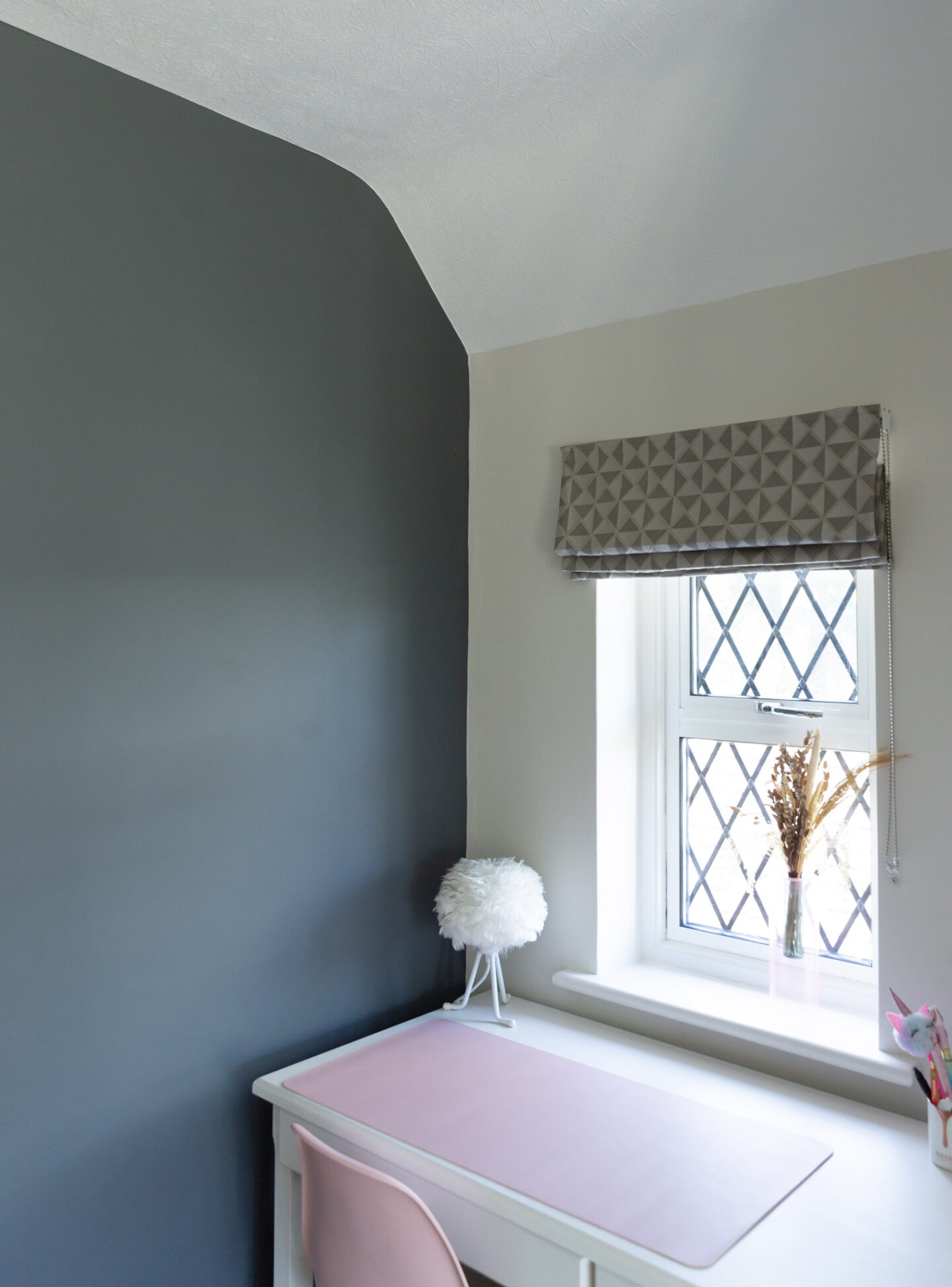
Cleaning the window frames weekly is something I haven’t been doing, but if you have old windows like we do, it’s definitely something you’ll want to stay on top of. That black build-up not only looks unpleasant, but can also damage the window frames over time, making it much harder to fix later. It’s also worth checking that the silicone around the windows hasn’t come away or deteriorated, as gaps around the frames can be a common cause of damp and moisture getting in. A quick check and clean each week could save you a much bigger problem further down the line. If you’re still struggling with mould and musty smells, it may also be worth hiring a professional air duct cleaning company to take a look.
Keep the temperature consistent

Avoiding big temperature fluctuations can help reduce bedroom humidity and condensation in the air. Especially now that the weather is getting colder, I think it’s important to keep the heating on and maintain a fairly consistent temperature. I also don’t particularly enjoy sleeping in a cold room, and keeping the air warmer can help reduce condensation. That said, I don’t like having the heating too high at night, so finding the right balance can be tricky. We are all different, and some people naturally prefer a warmer bedroom. It can also depend on age, health and personal preference, so there isn’t really an ideal bedroom temperature for everyone. For me, the main thing is avoiding big temperature fluctuations. Keeping the room at a relatively consistent, comfortable temperature can help keep humidity and condensation under control.
Invest in a dehumidifier
I mentioned in my earlier post that I bought an odour and humidity absorber to try to keep the humidity levels in check. It seems to be doing its thing, as it’s already getting almost half full. It’ll be more interesting to see how much water it absorbs over the winter, when the windows are closed more often and there’s less natural ventilation. Either way, I’m glad I bought it, and I really hope it’s making a difference. I might consider getting a proper dehumidifier next, but they tend to be quite large, so it’s something that would require a little more planning. I guess it really depends on how big your humidity problem is and how much moisture you’re dealing with.
Check for cracks and leaks outside
I’m so glad we had the exterior of the house checked a few weeks ago and took care of all the little cracks and areas of peeling paint. It might not seem like a big issue, but the paint and render on the outside of the house help protect it from the elements. Once they start to deteriorate, it becomes much easier for moisture to get into the brickwork and potentially make its way into the house. I think we’ll definitely get into the habit of checking the exterior properly once a year now. It’s one of those things that’s easy to overlook, but catching small issues early can save you from much bigger problems later on.
Consider installing trickle vents
This is something I’ve been thinking about, but I haven’t quite bitten the bullet yet. They’re not particularly expensive to buy or install, but there seem to be mixed opinions about the pros and cons. Some people say they can create a draught, while others say they don’t make much difference. Especially in damp older house bedrooms, where fireplaces and other openings have been blocked up, there may simply not be enough ventilation. We’ve blocked up pretty much everything in an effort to keep the heat in, but I’m starting to realise that this may actually be contributing to some of our humidity problems. So yes, sometimes you do need to allow a little airflow somewhere — whether that’s through a vent, a small opening or simply keeping the door open when possible. It feels a little counterintuitive when you’re trying to keep a house warm, but good ventilation is just as important.
Add extra ventilation to the en suite
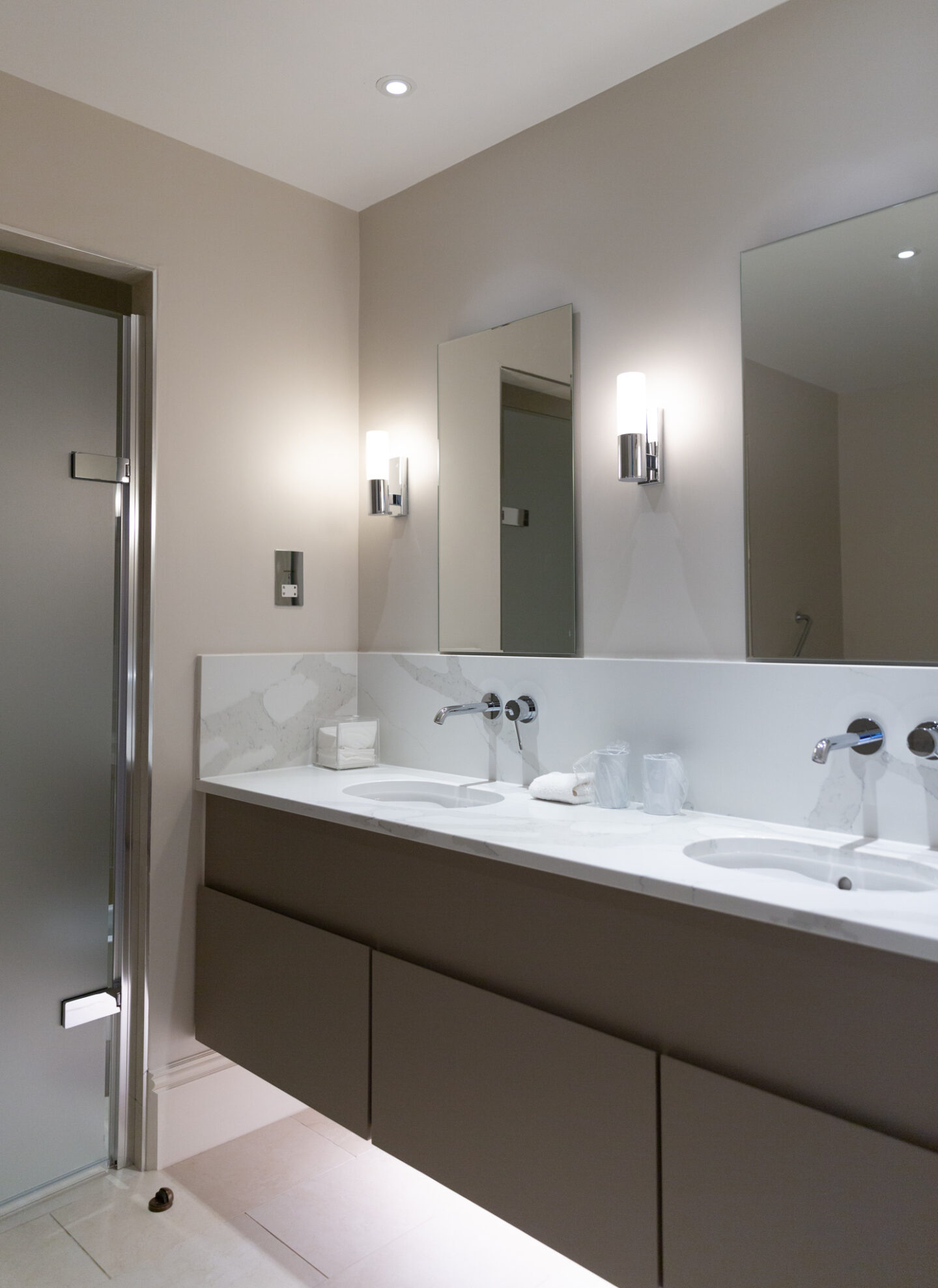
If you’re lucky enough to have an en suite, make sure you have a working extractor fan. Ours is currently broken and we’re hoping to get it fixed soon. The moisture from the shower could be contributing to humidity in the bedroom which is why good ventilation is so important. Also, don’t be tempted to dry clothes indoors if you can avoid it. I know we all do it, especially during the colder months, but I’d definitely avoid drying clothes in a room where you sleep. If you have to dry them inside, choose the largest, best-ventilated room in the house and make sure there’s plenty of airflow.

