Humidity in the home is more common than you might think – especially in the UK, where damp winters and muggy summers are the norm. It’s easy to brush off a bit of condensation on the window ( I’ve definitely been guilty of that), but ignoring moisture build-up can cause serious problems over time. Damp isn’t just unsightly, but it can harm your health and home, too. You see, excess moisture creates the perfect breeding ground for mould and mildew, which can trigger allergies, worsen asthma, or even slowly ruin wallpaper, curtains or your favourite furniture. It might not seem like a big deal at first, but it’s definitely something you’ll want to tackle straight away before it turns into a much bigger problem.
Funnily enough, we’re currently dealing with a damp issue in our bedroom, which we’re planning to fix properly during our bedroom renovation next year. The wallpaper has already started to peel, so we’ll be stripping everything back and starting fresh. Thankfully, we hadn’t renovated the room yet – otherwise, the damage would’ve been a much more expensive fix. It’s a good reminder to always check for signs of damp, like musty smells, peeling paint, or discolouration (especially around windows and in corners, where moisture tends to settle).
Of course, proper insulation, good ventilation, and air purification can all help, but sometimes you need extra help. That’s where a dehumidifier comes in. We’ve used one during a previous renovation and it really helped speed up the paint drying process. If you’re dealing with excess moisture in a room, having a dehumidifier can make a noticeable difference. When it comes to choosing one, you’ve got two main options: a portable room dehumidifier for an individual room or a whole-house system. Both are designed to reduce moisture, but they work quite differently. The right choice really depends on your home’s layout, the size of the problem and your budget, of course.
Thanks to expert insights from ProBreeze, here’s a breakdown to help you choose the right dehumidifier for your home.
Cost and Upfront Investment
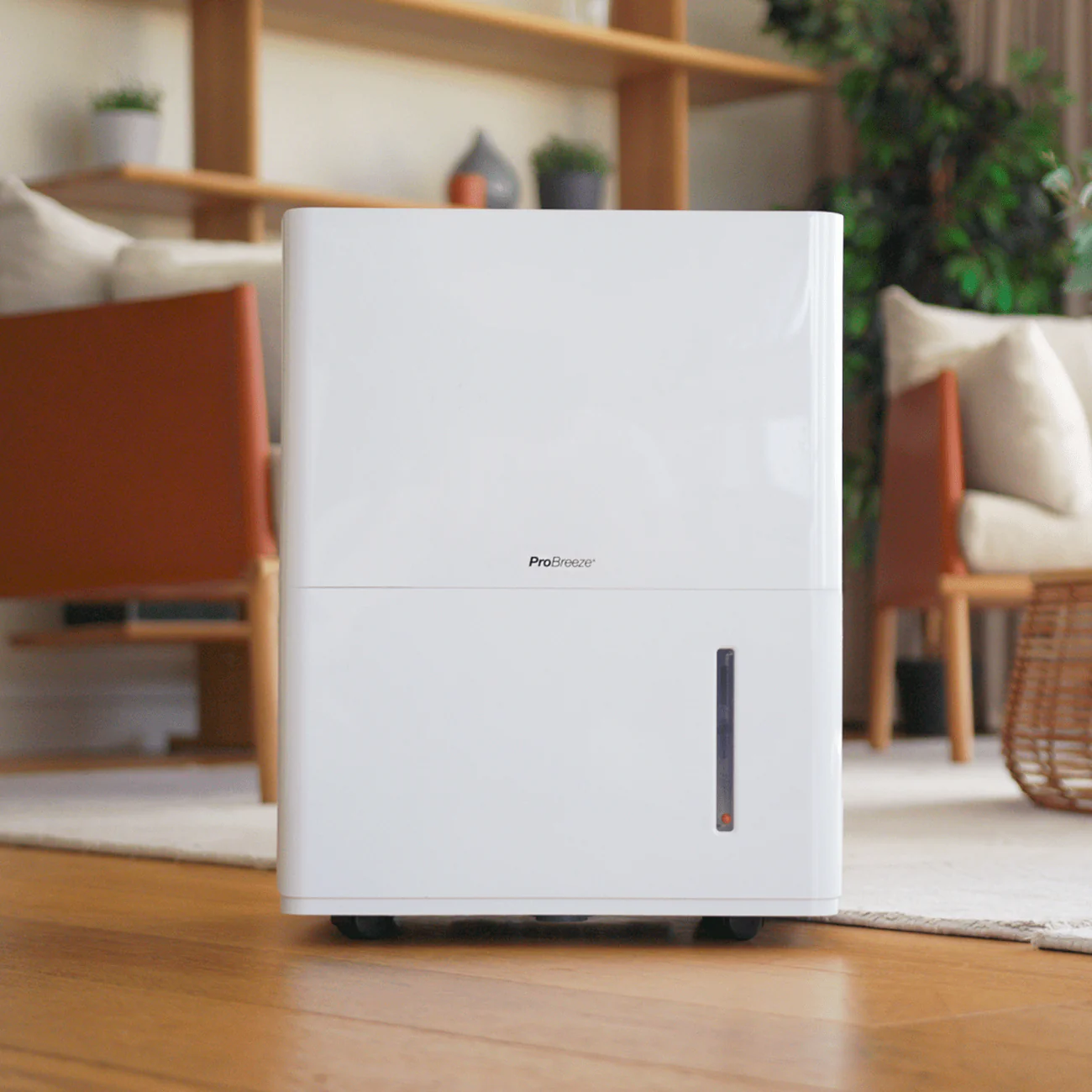
20L Dehumidifier with Max Extraction and Laundry Mode
Since nobody likes to talk about money, let’s get the ugly(ish) details out of the way. For most people, portable dehumidifiers are the most common and offer an easy and affordable entry point. High-quality models start at around £200 and since portable units don’t require professional installation, you can have one up and running straight out of the box within minutes. This makes them ideal for rented accommodation or for anyone looking for a quick solution for a specific problem area or individual room. Whole-house systems are a much bigger investment. Units typically cost between £800 and £2,500, and you’ll need to budget for additional installation costs. However, if you own a large property and plan to use it for the long term, it could be a worthwhile investment.
Flexibility, Placement, Coverage and Scale
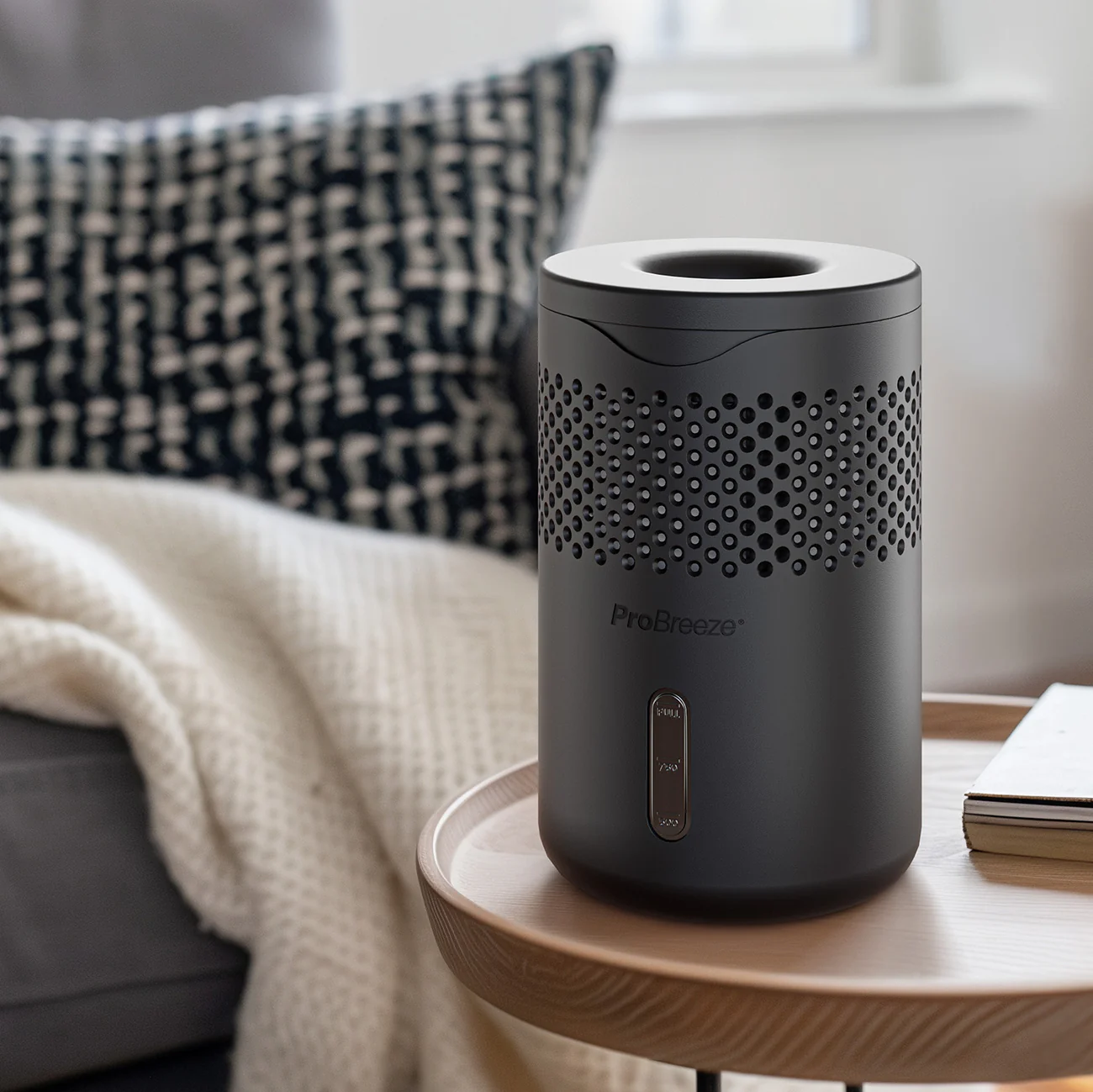
Osmo® 1.3L Moisture Absorber
I’ll be honest, I love a portable system due to its small size and how discreet they are. This means you can place them wherever you need them – from a damp basement to a steamy bathroom, or even in your bedroom. Naturally, whole-house systems are a different story and are built into your HVAC (heating, ventilation and air conditioning) system, regulating humidity evenly across the entire property. The plus point here is the consistency, but it does mean giving up the flexibility to move it around to specific problem points.
The real gap between the two solutions starts to show when talking about coverage. A portable dehumidifier will handle a single room with no problems, typically up to around 700 square feet. Whole-house systems (as the name suggests) are designed to manage thousands of square feet at once, making them the natural choice for larger homes or multi-storey properties. If you want every room to feel equally comfortable, it’s hard to beat full-home coverage, but it’s worth considering whether you really need that much.
Energy and Efficiency
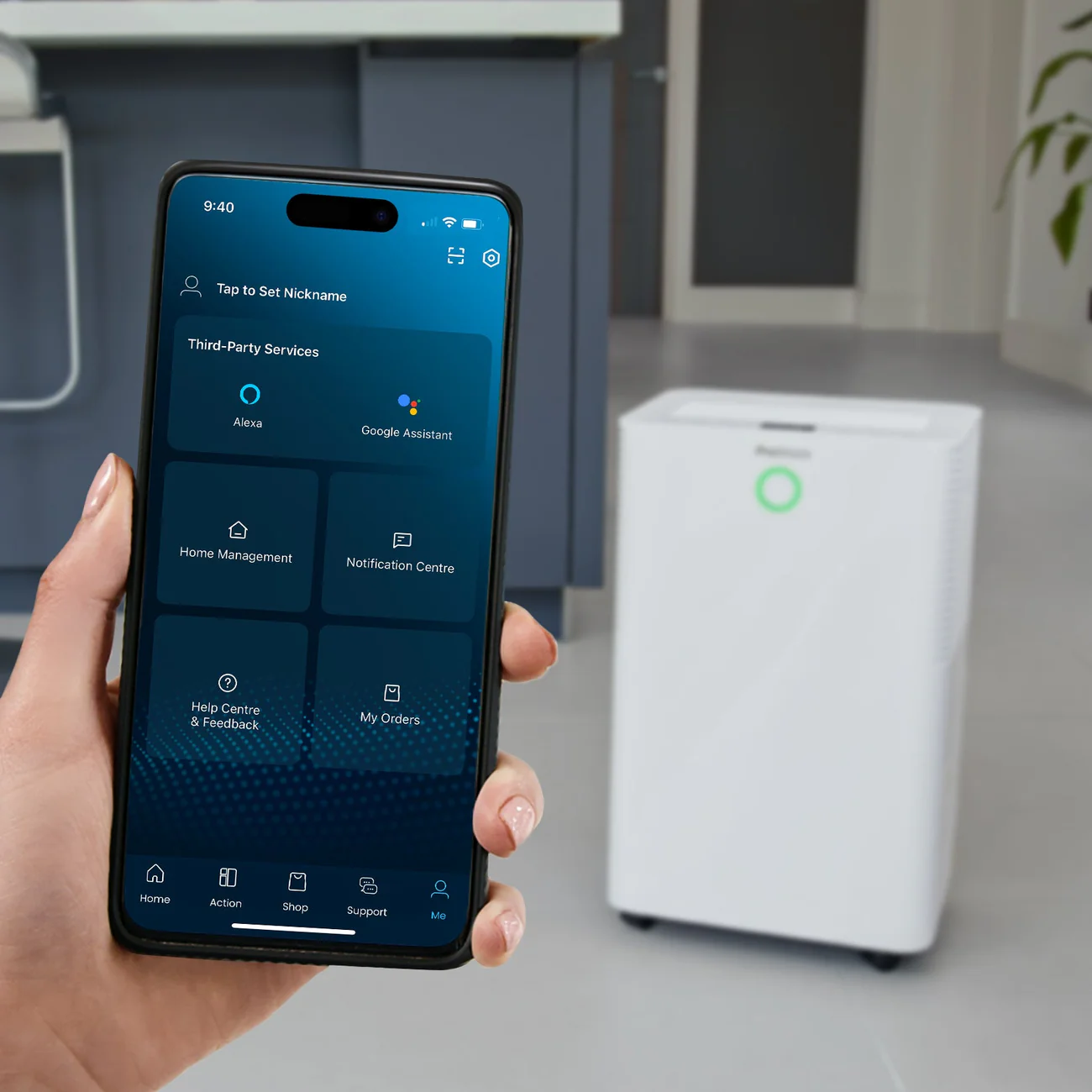
OmniDry 20L Quiet Low Energy Dehumidifier With Smart App
We’re all trying to save on energy bills at the moment. Thankfully, running a single portable unit is fairly efficient, but once you get into the territory of having several units dotted around the house, the costs can creep up. Whole-house systems may seem like heavy hitters in both scale and upfront cost, but they’re often more economical per square foot. By keeping humidity in check, they can even lighten the load on your heating and cooling systems, which could mean savings in other areas down the line.
Maintenance and Upkeep
12L Dehumidifier with Built-in Humidistat
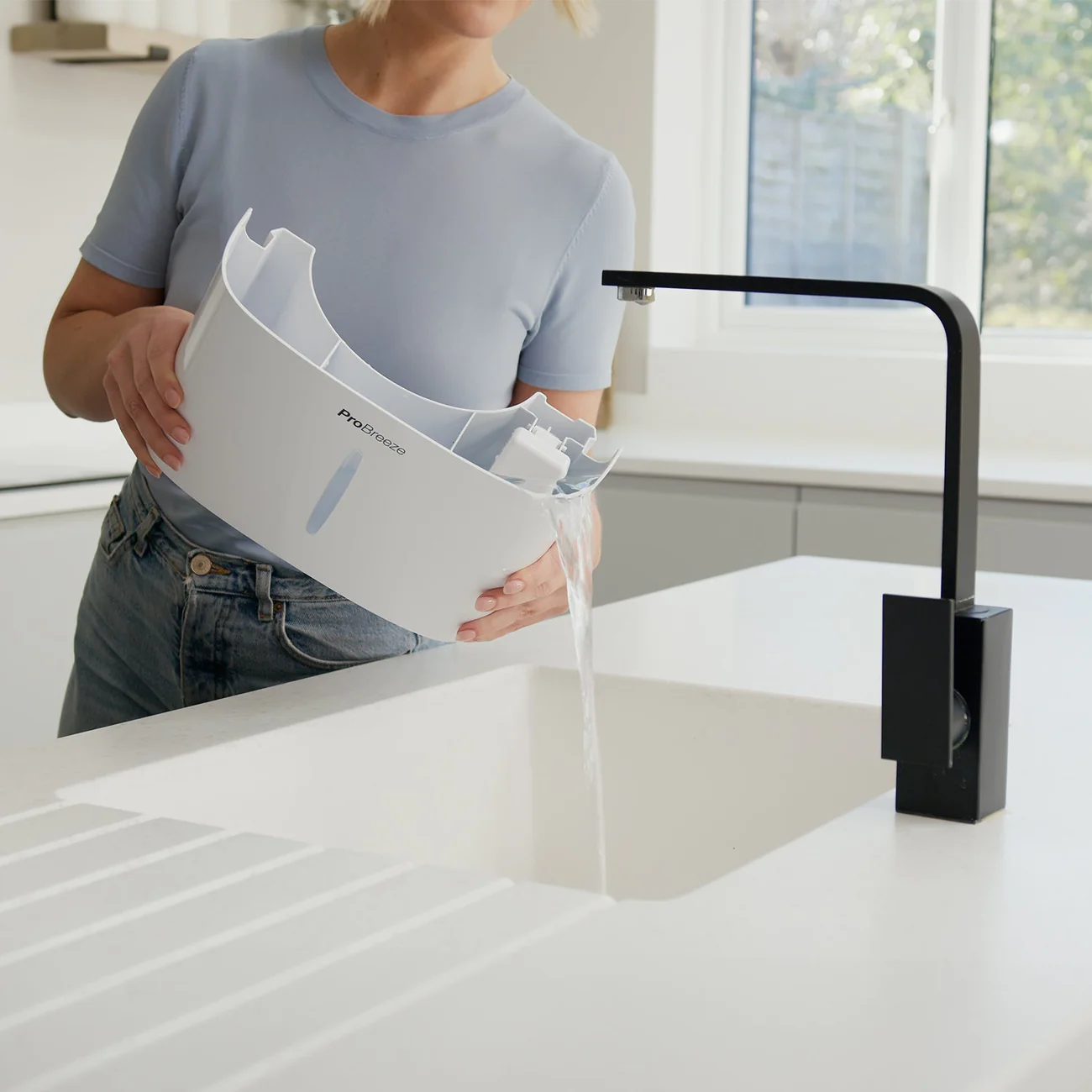
Despite their overall convenience, portable models are a bit more high-maintenance – from emptying water tanks to cleaning filters and simply making sure they’re positioned correctly. Some do allow for continuous drainage (which helps) but whole-house systems are far simpler to maintain once they’re in. They usually only need a filter change and a yearly check-up once connected to the drainage.
Noise and Everyday Comfort
Portable dehumidifiers aren’t completely silent (yet), so if you opt for one of these, you’ll need to be comfortable with a little added white noise in the chosen space. Most aren’t too bad, but you should consider it if you’re sensitive to background noises. Since whole-house systems are installed out of sight (usually in a loft, basement or utility space), you’ll barely even notice them. In some ways, that’s a plus…though you also might not notice if there are problems that you might have clocked if you’d been able to hear the unit struggling.
So, Which Should You Choose?
Well, it depends on a few factors. If you’re renting, working with a tighter budget or just need to tackle one or two damp-prone areas, a portable dehumidifier is probably your best bet. It’s flexible, affordable and easy to move where you need it most. However, if you have a larger home and are looking for a low-maintenance, long-term solution, then a whole-house system would probably be a better choice.
Whatever you choose, make sure you’ve done your research —and if possible, think long-term. If you’re unsure, it’s a good idea to start with a smaller portable unit to see how it works for your space before committing to a whole-house system.


Food for consideration, thank you Pia, great advise …
Author
I’m glad to hear you found it useful!