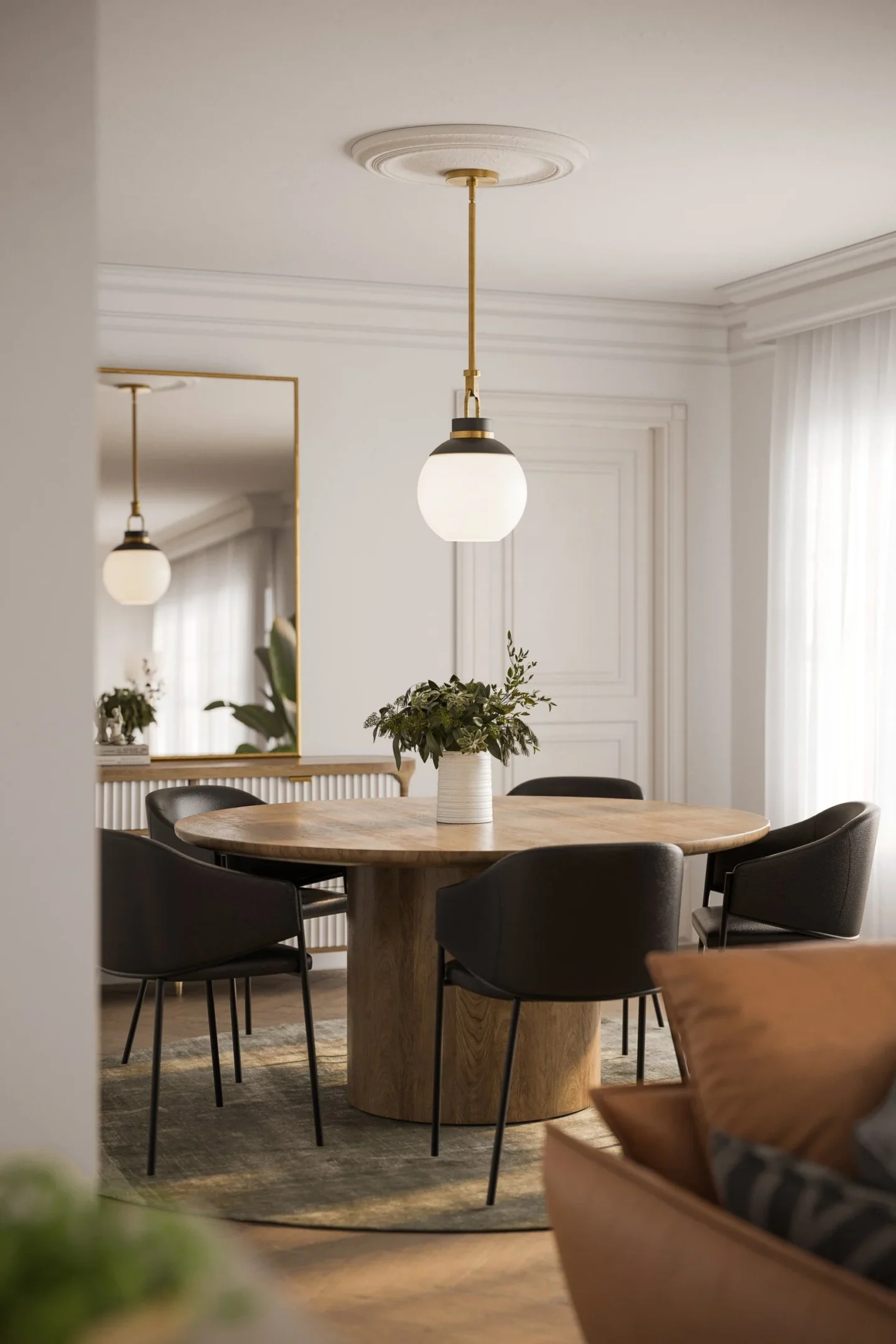
Image credit: CGI Furniture.
Since I’m in the midst of redecorating our bedroom, I’ve spent countless hours searching for the perfect furniture. It’s the best part of decorating for me, but also nerve-wracking — I want to get it right. What looks great online can look completely different in your own home, depending on the lighting, the time of day and the surrounding colour palette. What many people don’t realise is that many of these furniture photos are now CGI (computer-generated imagery), meaning they aren’t taken in a real-life setting at all. These CGI furniture images can significantly alter how a product is perceived and make it difficult to know what it will actually look like in your own home. That’s why knowing how to read digitally created images properly is so important before you buy.
Does The Room in the Picture Exist?

Image Credit: CGI Furniture.
In most cases, the answer is no. When I was looking at a chest of drawers for our bedroom, I was trying to work out the colour differences between three different shades: light oak, medium oak and walnut. The furniture looked almost flat in each image, and it was hard to tell what the grain would look like or how the colour would appear in our south-facing bedroom. In the end, I turned to social media and searched for product reviews and real-life photos to see what the furniture looked like in people’s homes and, more importantly, in natural light. That might sound a little extreme, but these are the kinds of things you increasingly have to resort to if you want a realistic idea of what a piece of furniture will actually look like in your home. I found myself trusting the real-life photos more because I could see how the furniture looked in an actual home, often in smaller rooms and without the perfect styling or retouching you see in professional product photography. Of course, lighting can still change everything. A piece of furniture can look completely different in bright morning sunlight compared with the warmer light you get in the evening. But when you compare several real-life images, taken in different rooms and under different lighting conditions, you start to get a much better sense of the product’s true colour, texture and proportions. And perhaps that’s the problem with CGI-generated interiors. They can show you a beautifully styled room, but they don’t necessarily show you the furniture as you’ll experience it in real life.
Why Don’t Brands Photograph Furniture Anymore?

Image Credit: CGI Furniture.
I don’t want to generalise, because some brands still invest in proper photography campaigns. But many big British furniture brands are now producing their room images digitally, and this seems to have become the default for a lot of sofa companies and large furniture suppliers. The practice has a name: interior CGI. The reason for its popularity is simple — convenience and cost. It’s also much easier to show the full range of colours and finishes to customers before they make an important purchasing decision. Once a piece of furniture has been created as a digital model, it can be used in countless different ways and styled in multiple settings. You can change the colour, fabric, finish, room and even the lighting, all without having to photograph the product again. And because the digital model can be created as soon as the product is ready to launch, brands can produce a huge amount of imagery very quickly. Quick, efficient and cost-effective. From a brand’s perspective, it makes perfect sense. But for the customer, there is a downside. When everything is presented digitally, it becomes much harder to know what that piece of furniture will actually look like in a real home.
What CGI Gets Right — and Where It Falls Short

Image Credit: CGI Furniture
Proportions are generally reliable. The height of a sofa back, the depth of a seat, the overhang of a table top — these come straight from the technical drawings and are usually accurate.
Colour is where things get trickier. A rendered oak is essentially an idealised version (a perfect average of every oak the studio has ever photographed). The actual oak that arrives at your door will have sapwood at one edge, a mineral streak running diagonally and the odd knot the grader decided to live with. So if a product photo shows a two-metre table top with no variation in tone from end to end, the real thing won’t look exactly like that. Whether it looks better or worse depends entirely on how much natural character you love in your wood.
Light is the second thing to watch. A digital room can be lit from anywhere, and it’s almost always lit by a large, soft window that simply doesn’t exist in most British homes. That pale grey that glows so beautifully in the photo? It’s the same pale grey that reads slightly green under a north-facing window. That’s not a flaw in the product, but it’s a reminder that the photo is telling you about the CGI room, not your room.
Scale is the one that catches people out most. Rendered rooms tend to run slightly large, with ceilings a touch higher and doorways a touch wider than your average home, because the composition simply looks better with more air around the furniture. The sofa that sits so comfortably in the picture can fill a real living room wall to wall. And you won’t know until it’s already in.
A Few Simple Checks Before You Buy
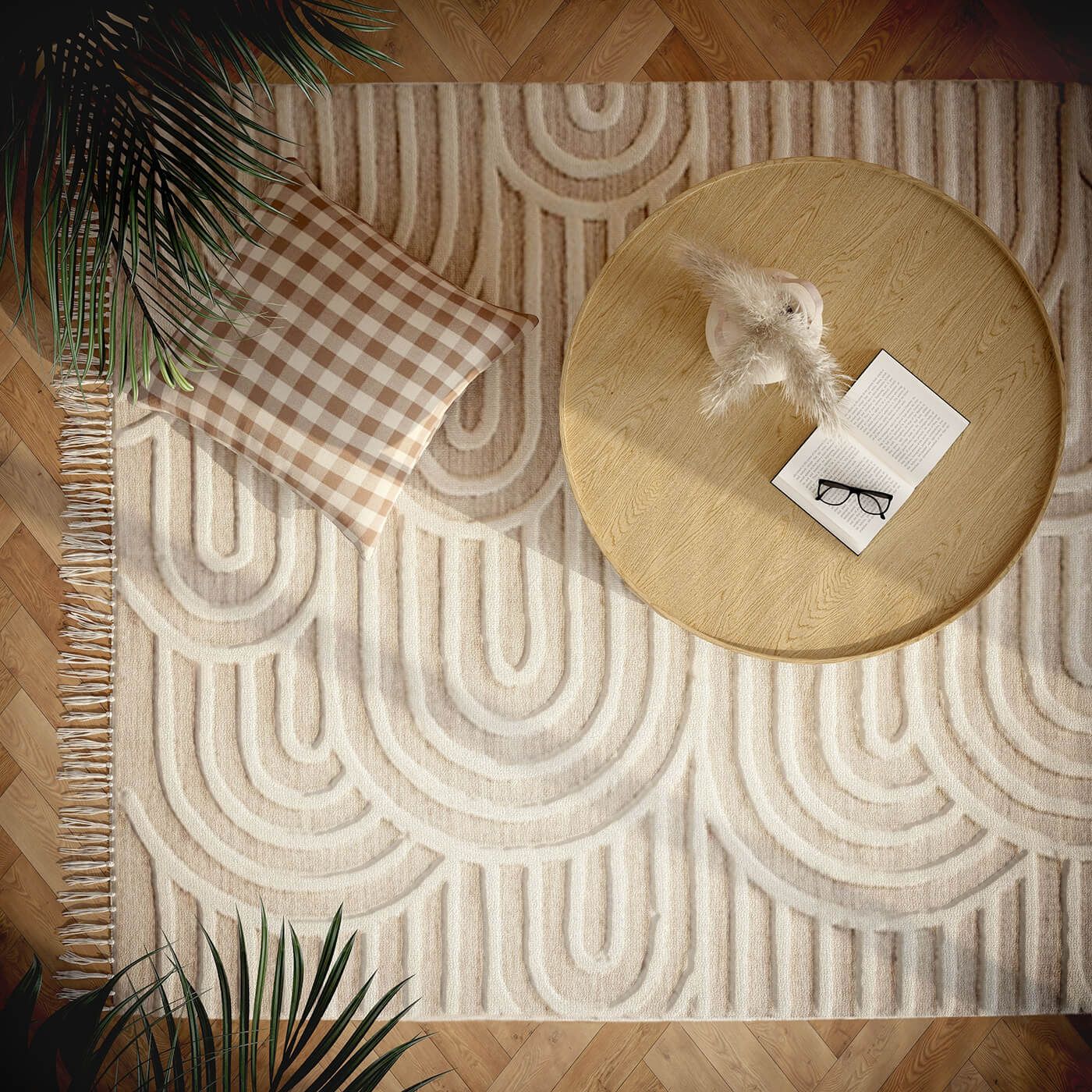
Image Credit: CGI Furniture
Look at the shadows. In a photograph, the shadow underneath a piece is usually soft and slightly uneven. In a rendered image, it is often perfectly graduated. Once you start noticing these details, you can usually tell which kind of image you’re looking at.
Find the piece in a real home. Look through Instagram tags, customer review photos with less-than-perfect lighting, or the brand’s own customer gallery if it has one. A sideboard photographed on a phone in a real terraced house can tell you more than any polished hero image ever will.
Order the swatch. Then do the unglamorous thing: tape it to the wall where the piece will actually sit and look at it in the morning, then again after dark. Colours that looked almost identical in a CGI image can separate very quickly once they’re sitting in your own light.
Measure the doorway first. There is simply nothing worse than finding the perfect piece of furniture, only to discover it won’t fit through the door and has to go straight back.
Read the dimensions carefully and make sure you’re allowing enough space not just for the piece itself, but for everything you need around it. A sideboard needs enough room for its doors to open. A dining table needs enough space to pull the chairs out. A sofa needs enough clearance to walk around it comfortably. A rendered room always seems to have left exactly enough space for everything. Your room may not be quite so forgiving.
What the Picture Was Actually Useful For
I know computer-generated images can seem a little difficult to read at first, but they can be incredibly useful too. In fact, 3D and AR are increasingly being used in furniture retail, particularly as a way to help customers visualise products before buying. When you’re not quite sure about a colour, material or leg style, or you simply need some inspiration for a room, they can be really helpful. They open up a whole new world of options and ideas for decorating. Once you know how to read digital images, it becomes much easier to work out whether something is likely to work for you. You can’t expect it to look identical in your own home because the environment, lighting and surroundings will be completely different. But you can use the image to get a good sense of the overall look and make a more informed decision about whether the piece feels right for your space.
And in case you’re wondering whether that chest of drawers I bought was exactly what I thought it would be, the answer is no — but it’s very close. It’s more matte in person and looks more grey next to the warmer woods we already have in the room, but it still works perfectly. After all, not everything has to match exactly. The colours, materials and finishes just need to work together.


👏👏👏👏
Great advice, many thanks Pia
Author
Always glad to help!