
If you live in the UK and have a brown lawn after a dry summer, this topic is very much for you right now. We’ve had the hottest summer I can remember, and unfortunately, that has also meant very little rain. When I returned from Finland, our garden was looking worse than I could have imagined. The grass was brown, the cucumbers were yellow, most of the vegetables were either overripe or dead, and the flowers were looking very sorry for themselves. The garden hadn’t had any water for 11 days (we’re also under a hosepipe ban, so it’s watering cans only!) and it certainly showed. I know most of it will recover as soon as the typical British autumn weather kicks in, but in the meantime, I’m on a little recovery mission of my own. Here are some of the things I’m doing to help the garden recover from the drought — and hopefully they’ll help yours too.
1. Don’t Cut The Grass
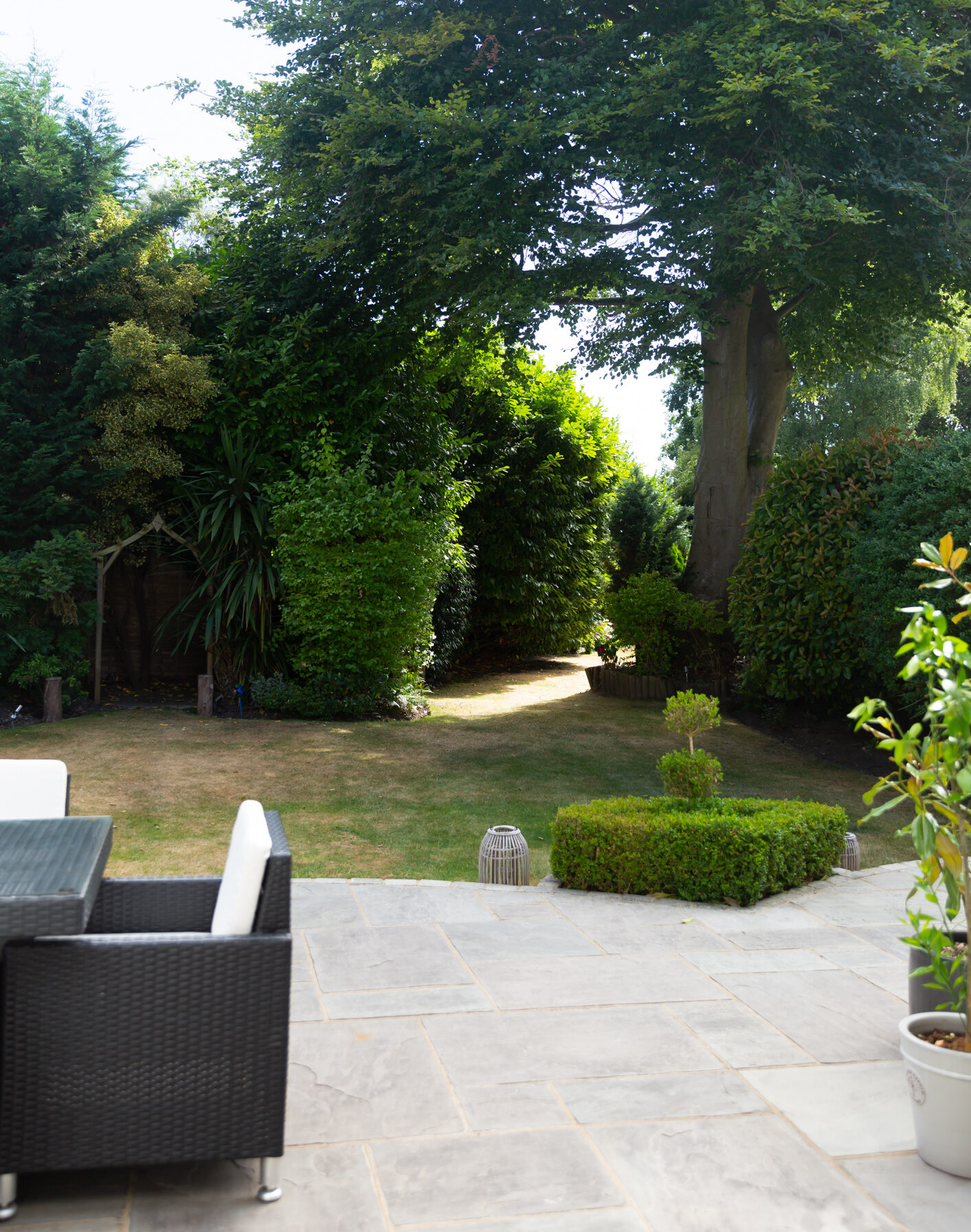
Our lawn has definitely seen better days.
With the weather like this, the last thing your lawn needs is regular mowing. Without enough water, the grass won’t be growing as quickly and cutting it too short can put even more stress on it. If you keep mowing as normal, you could end up with even more brown patches, making recovery harder once the rain finally arrives. So, if you can, leave the grass alone for a while. If you really do need to mow, raise your mower blades so you’re not cutting it too short. Choosing a robotic lawnmower has been one of the best decisions we’ve made for our garden. We’ve changed the schedule so that the grass is cut much less frequently and I think it has really helped. I also shared more about how we manage our garden in my previous post, How to Look After a Large Garden, if you’re looking for more tips.
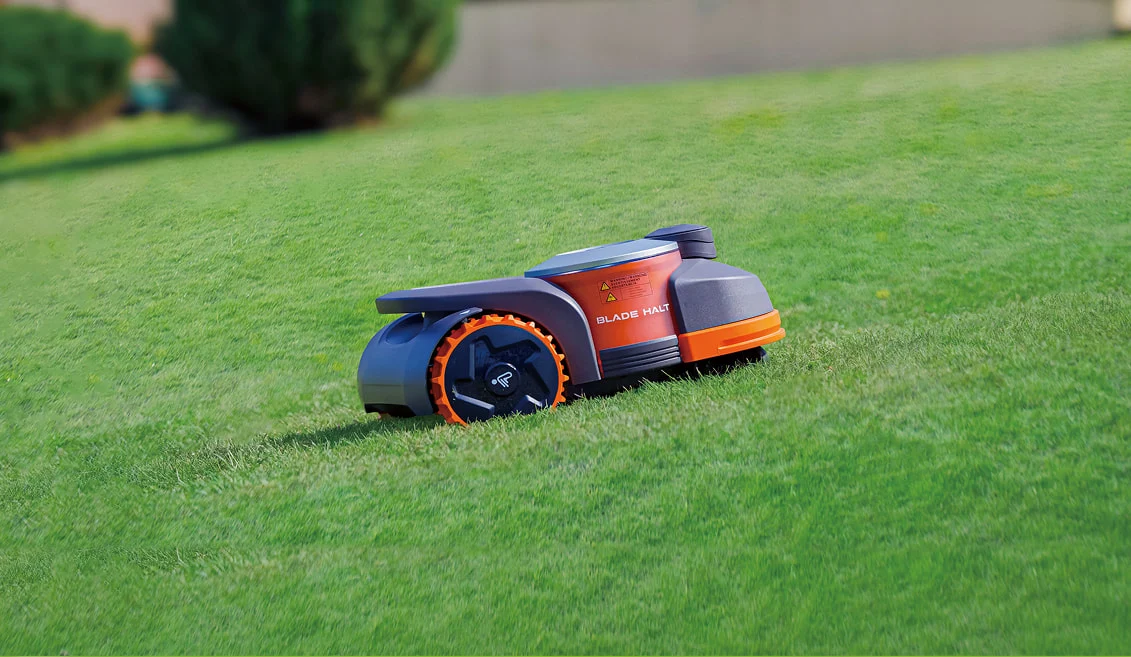
Adjusting robot mower settings during dry spells is a must!
2. Do Water New Grass When Necessary
During a drought, watering established grass isn’t usually recommended. Not only does it put extra pressure on our water reserves, but it can also be quite wasteful, as established grass will often bounce back once the rain returns. New turf is different, though. If you’ve recently laid new turf, it will need regular watering to help the roots establish, so a sprinkler with a timer can make the job much easier. Try to water in the morning or evening, when it’s cooler and the water is less likely to evaporate in the heat. Personally, I’d avoid putting down new turf until the drought is over if possible, but I know that isn’t always practical. If you do have to lay new turf during a dry spell, just be prepared for it to need plenty of water and attention until it has established.
3. Rake The Lawn Before Cutting
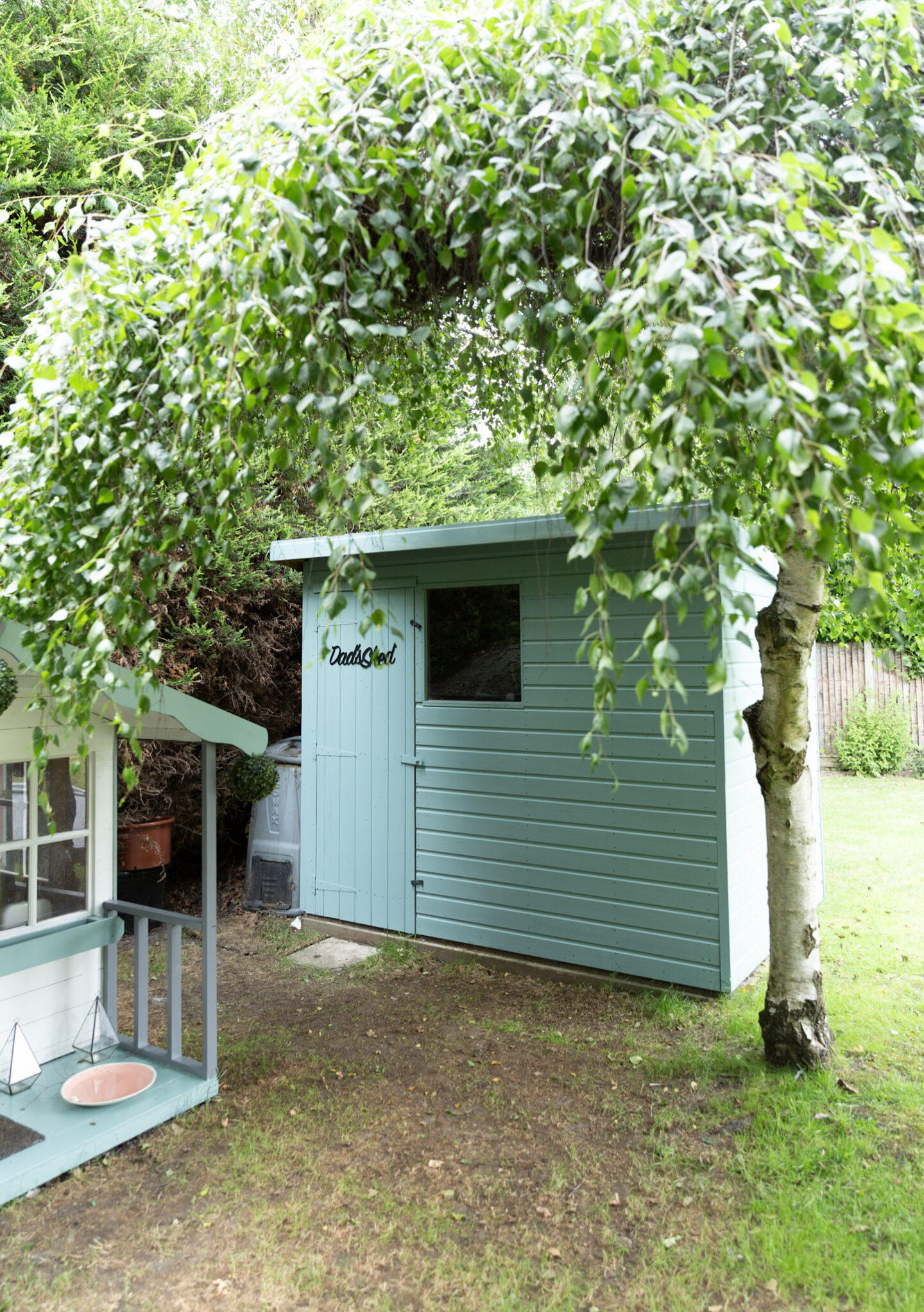
Another patch of brown grass, with the trees adding to the challenge.
This is something we learned from the professionals. We used to have a lawn care plan at our old house (our new garden is way too big to justify that now!) and picked up lots of useful tips along the way. Raking the lawn before mowing or fertilising helps to remove dead grass, leaves and other debris. It might not look particularly pretty while you’re doing it, especially if you already have a few brown patches, but it’s worth it in the long run. It’s also really useful if you’re planning to overseed, as you’ll want to remove as much of the dead grass as possible and loosen the surface of the soil before adding new seed. Think of it as giving your lawn a bit of a reset before you start trying to bring it back to life.
4. Keep On Top of the Weeds
One thing I’ve noticed during dry weather is just how quickly the weeds seem to take over! They’re competing with your grass for the little moisture and nutrients that are available, so it’s worth keeping on top of them rather than letting them take over the lawn. If you spot weeds popping up, try to remove them while they’re still small. It’s much easier to pull them out before they’ve had a chance to spread or develop deep roots. I find it’s one of those jobs that is much easier if you do a little bit regularly rather than leaving it until the whole lawn is covered. Be careful with weedkiller during very dry or hot weather, though, as you don’t want to put even more stress on an already struggling lawn. For smaller areas, pulling the weeds out by hand can be the simplest option and a weed puller we bought has honestly been one of the best gardening tools we’ve ever bought.
5. Use Fertiliser in the Spring
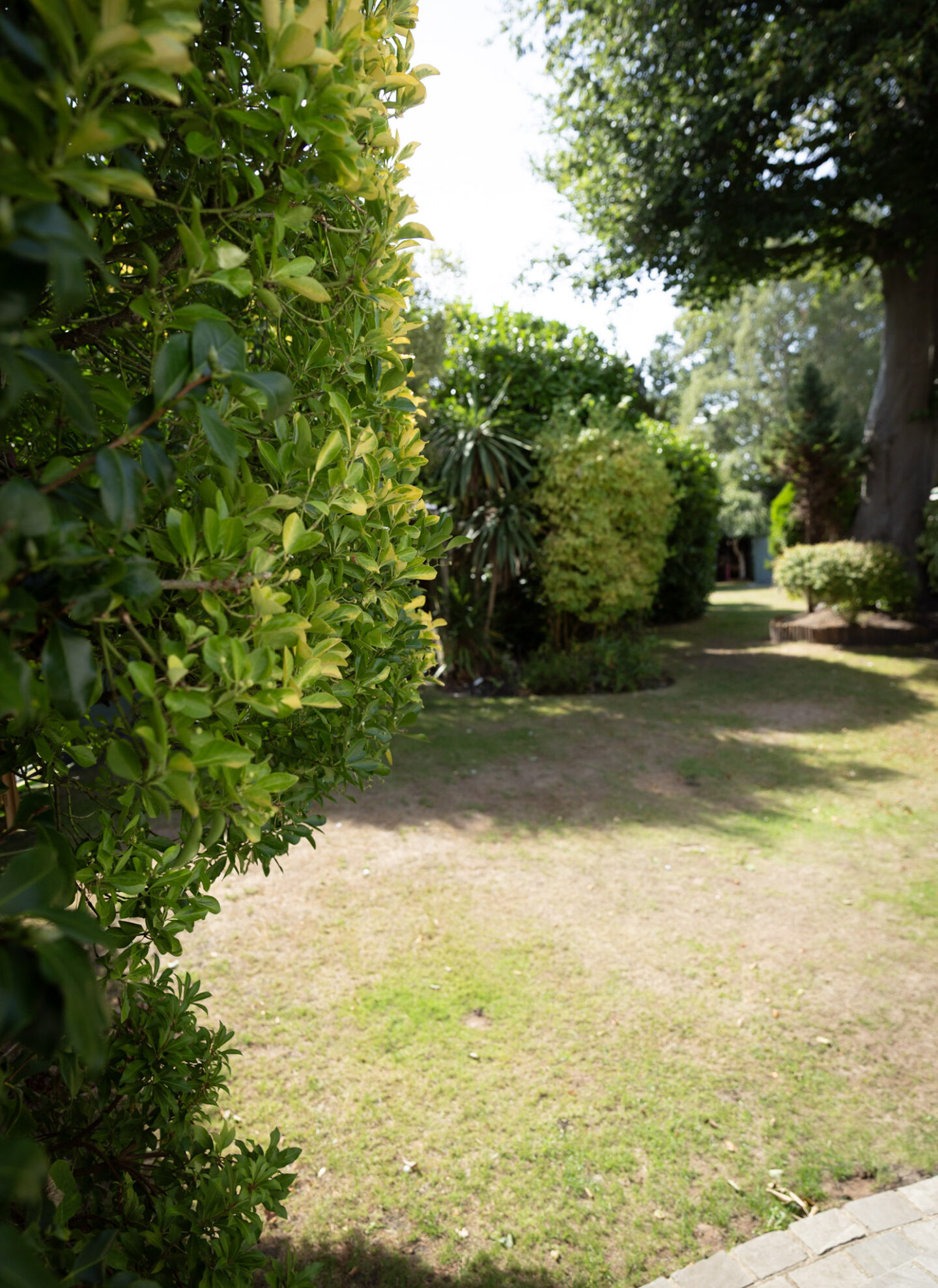
Patchy brown lawn recovering after dry weather.
Once your lawn starts looking a little tired and patchy after all this dry weather, it’s tempting to give it a helping hand with some fertiliser, but I’d actually wait until spring. After a long, dry summer, the grass needs time to recover naturally and there’s not much point feeding it when it’s already under stress. When you do fertilise, I usually focus on the areas that are looking the worst rather than throwing it over the whole lawn. Just make sure the soil has some moisture first, as putting fertiliser down on completely dry grass can do more harm than good. If rain is forecast, even better, as it will help the fertiliser get into the soil.
6. Over-seed
If you have some really badly damaged or bare patches, you’ll want to either reseed them or replace them with new turf. We’ve done both in the past, but I find reseeding much less work. The downside is that you won’t get instant results, so you’ll need a little patience while the new grass gets established. Don’t be stingy with the seed; you’ll probably need more than you think when dealing with dry or bare patches. Early autumn is a good time to seed, as temperatures are cooler, there’s usually more moisture around and the soil is still warm enough for grass seed to grow. Before seeding, remove any dead grass and loosen the surface of the soil with a rake. Scatter the seed generously over the damaged areas and gently rake it in. You can then add a thin layer of topsoil over the top to help protect the seed and give it a better chance of growing. Keeping the new seed moist is essential while the grass gets established, so ideally choose a time when you know rain is on the way. It will give the seed a good start, increase the likelihood of a successful outcome and save you from having to spend hours watering it yourself!
7. Aerate the Lawn
If you want to start with the basics, you may want to consider aerating your lawn before overseeding. Aerating means making small holes in the soil to allow more air, water and nutrients to reach the grass roots. It can be particularly helpful if the soil has become hard. We usually prefer to rake the lawn, but sometimes aerating is a must. Just remember that your lawn will look a little strange afterwards with all those tiny holes, but it’s all part of the process! I find this is sometimes better left to the professionals, although you can certainly give it a go yourself with a garden fork or lawn aerator. There are certain times when you should aerate and a badly damaged or very dry lawn may not be suitable, so if you’re unsure, it’s always worth checking with a lawn-care professional first.
8. Don’t Forget the Edges
The edges turn brown very quickly around the borders.
Our lawn edges always seem to be the first areas to go brown, so they need a little extra care during dry weather. They’re often more exposed to the sun and can dry out much faster than the rest of the lawn, especially around flower beds, paths and borders. If you notice the edges starting to look particularly dry, give them some extra attention when watering rather than assuming they’ll recover on their own. If the grass has completely died back, you may need to reseed these areas once the weather cools down and conditions improve. The RHS has shared some great tips for looking after your lawn (and the edges) during dry weather, which are well worth a read.
9. Leave the Grass Clippings
One of the great things about having a robot lawnmower is that it leaves the grass clippings on the lawn, which can naturally return nutrients to the soil as they break down. This means you may also need to use less fertiliser over time. It also means you have less garden waste to deal with and, because the clippings are so fine, you barely notice them on the grass. We’ve found this particularly useful with a large garden because the last thing you want is bags and bags of grass clippings to deal with every time you mow. The robot lawnmower cuts little and often, so the clippings are tiny and simply fall back into the grass rather than sitting in big piles on top.
10. Be Patient
I know this is easier said than done, but the good news is that most lawns will start to recover as soon as the rain returns. That doesn’t mean you should just leave a damaged lawn completely to its own devices, though. A little bit of care now can stop small problems from becoming much harder to fix later. Try not to put too much pressure on yourself, either. Summer can be really tough on grass, especially after such a long period of hot and dry weather. Whatever state your lawn is in right now, you can be sure that everyone else is going through this too. It will bounce back — it always does! With a bit of rain, cooler temperatures and some TLC, hopefully it won’t be long before your lawn is looking green again. Ideally, we’ll all have our lawns looking healthy before the trees start losing their leaves, although that brings a whole different garden-maintenance job with it!

