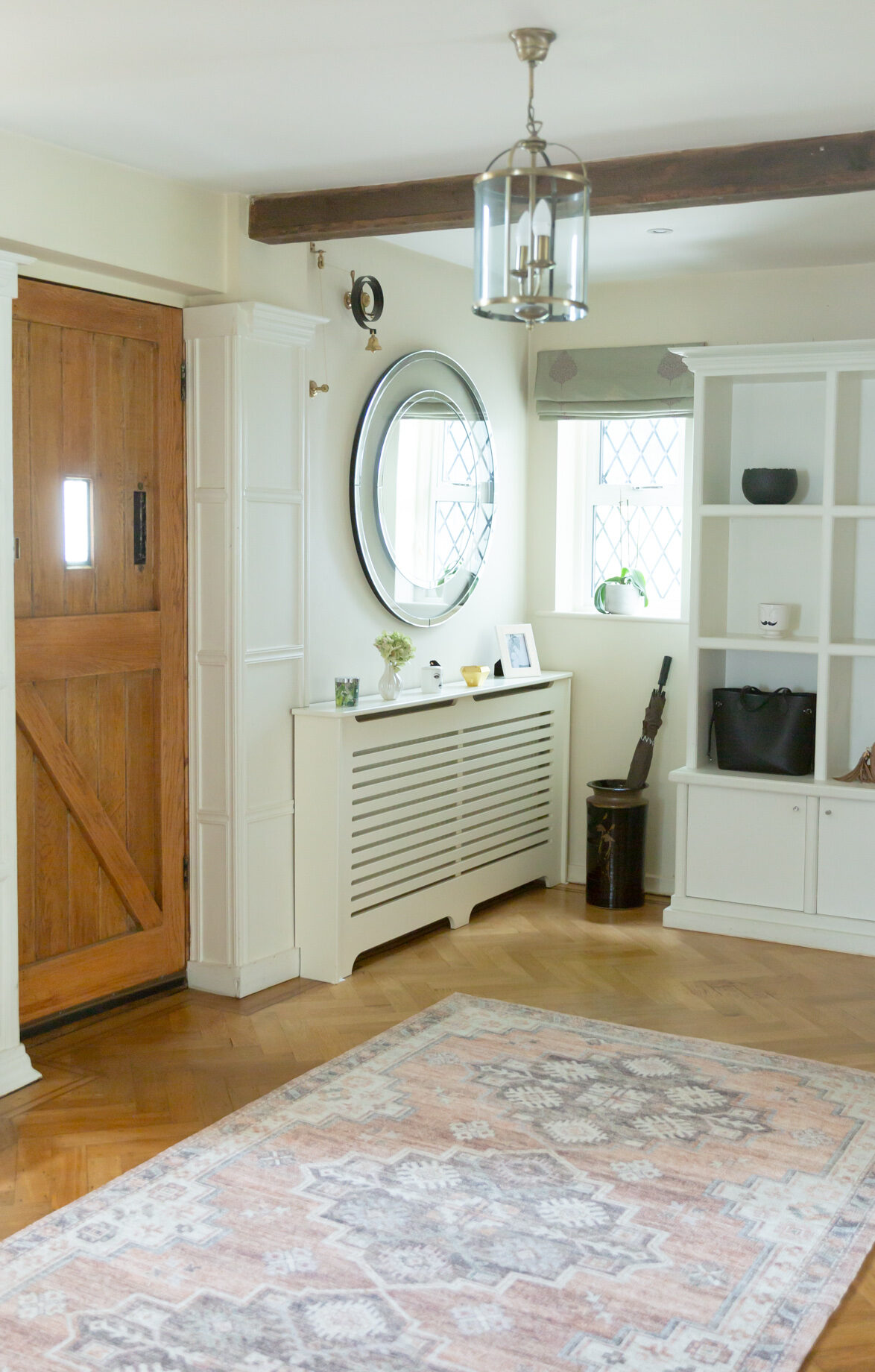
This year marks exactly five years in our lovely period home, which honestly seems incredible. The time has flown by in the blink of an eye, and yet at the same time, I feel like we’ve been here forever. The buying process itself was pretty stressful but it was definitely worth it in the end. The funny thing is, I thought I’d be able to make the house feel like us within a year or two, but here we are, five years down the road, and I’m still only in the very early stages of renovating our master bedroom! I keep telling myself that good things take time and I’m actually so glad we’ve taken a slow decorating approach.
Buy for the Long Term
I’m really glad we went for a long-term home, as the thought of having to move again anytime soon is the last thing I want to do. Finding a property that can work for you for 10, 20 years or more can be a much better decision in the long run. It gives you time to settle in, make thoughtful changes and gradually turn the house into a home, rather than feeling pressured to renovate everything straight away. And when it comes to buying, I think it’s also worth thinking about how easy the property would be to sell in the future, especially if you ever need to sell your house fast. You never know what life might bring, so choosing a home with good long-term potential can give you a little more flexibility further down the line.
Do the Infrastructure First
I know looking at the plumbing and electrics is probably the last thing you want to think about when you’re excited about buying furniture and choosing paint colours. But the truth is, you should check and deal with these things before a full room makeover, or you could end up making a very expensive renovation mistake. Everything might look fine on the surface but I’d recommend getting an independent electrician to check the electrics and having the boiler inspected as soon as you move in. We waited a little longer and ignored the water pressure dropping on our boiler, which turned out to be caused by a leak. Finding the leak earlier would have saved us some hassle but at least we eventually got to the source of the problem. If you’re planning to move or replace any radiators, that should also be done before decorating or laying new floors. It might not be the most exciting part of renovating, but you’ll be glad you did it in the long run.
Prioritise Energy Efficiency
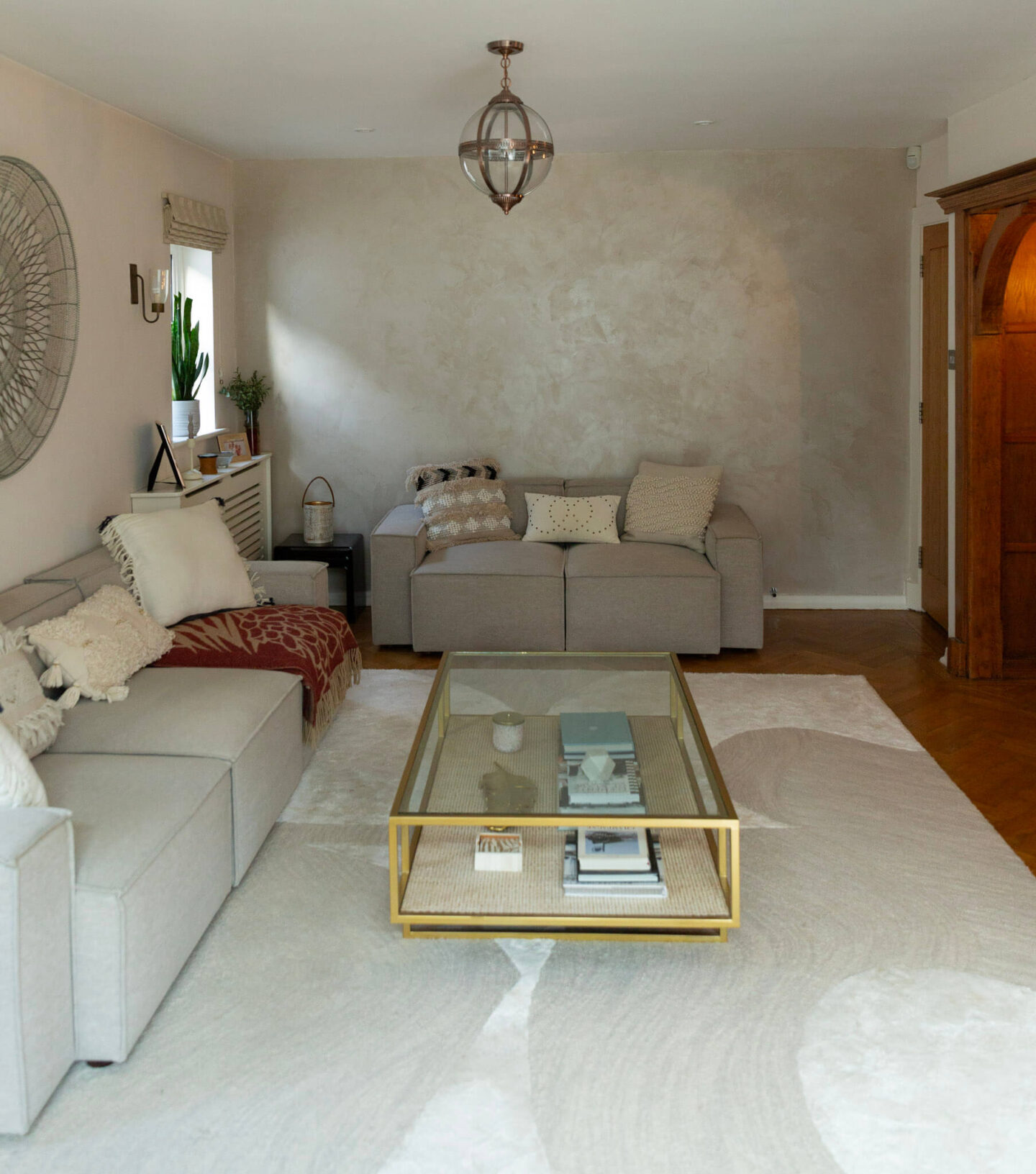
One thing I wish we’d thought about sooner was making the house more energy efficient. It’s easy to put these things off when there are so many more exciting projects competing for your attention, but small improvements will make a huge difference to your energy bills and comfort. Start with the low-cost jobs first. Seal gaps around windows and doors, check for draughts and swap old light bulbs for energy-efficient LEDs. These are relatively simple changes that don’t require a huge budget or major renovation work. And you can do it all yourself (it’s not that hard, trust me!). Once you’ve tackled the easy wins, you can start looking at the bigger improvements, such as insulation, windows, heating systems and the overall energy efficiency of the house. If you’re buying an older property, it’s worth understanding where the biggest heat losses are before spending money on cosmetic improvements. I wish we’d thought about some of these things earlier. When you’re decorating a room, it’s tempting to focus on all the decorative things, but making the house warmer and more efficient can make a much bigger difference to how you actually experience the space.
Make Sure You Have Money for Extras & Surprises
Every year, we’ve had a few surprises, like the leak disaster I mentioned earlier, so having some money put aside for extra expenses should go without saying. There will always be something you hadn’t planned for when you’re looking after an older home, and unfortunately, repairs rarely come at a convenient time. Having plumbing or electrical cover can help with the cost of some unexpected repairs, but whatever approach you take, make sure you have a plan for those expenses. There’s nothing worse than watching your entire annual decorating budget disappear on repairs — and yes, we’ve had a year like that! It turns out old houses are full of surprises.
Take Your Time Decorating
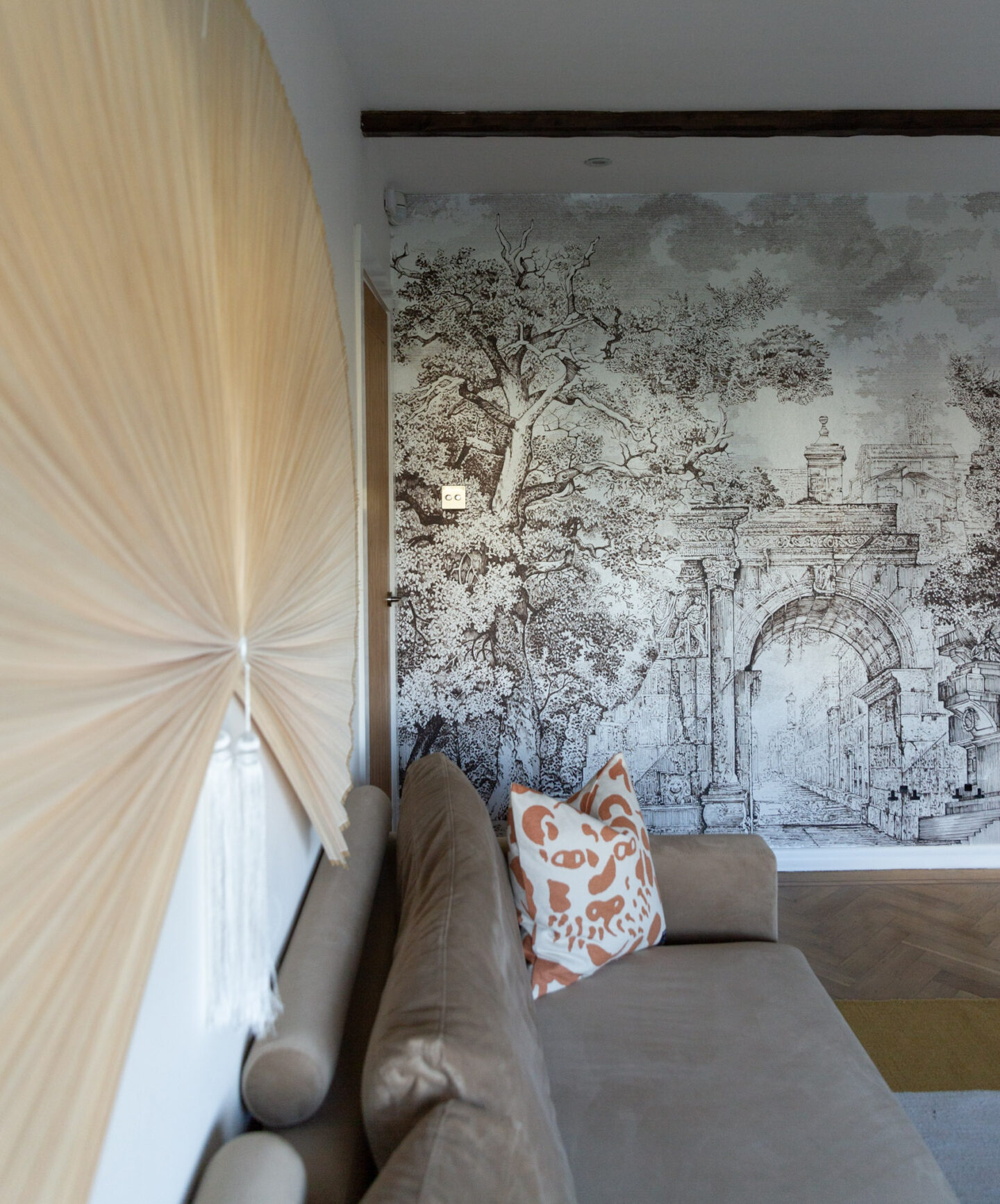
I mentioned that we’ve taken a slow decorating approach, mainly because of the amount of work that needed doing and our limited budget, but it has actually turned out to be one of the best decisions we’ve made. Living in the house for a while has given me a much clearer idea of how we actually use each room and what works for us as a family. You notice things that you simply wouldn’t see when you’re viewing an empty room or trying to make decisions in a rush. Even something as simple as seeing how the light changes throughout the day and how it hits a room in the morning versus the evening can make a huge difference when choosing colours, furniture and lighting. So don’t be tempted to rush it. Give yourself time to live in the space before making big decorating decisions. Save inspiration from everywhere. Pinterest, interiors magazines, nature, hotels, restaurants and your travels can all be great sources of inspiration. Let your ideas develop organically. Most importantly, don’t feel like every room needs to be finished immediately. Your home should evolve with you. Taking your time means you’re much more likely to create a space you genuinely want to live in for the long term, rather than one that simply looks finished.
Leave Bigger Projects Until Last
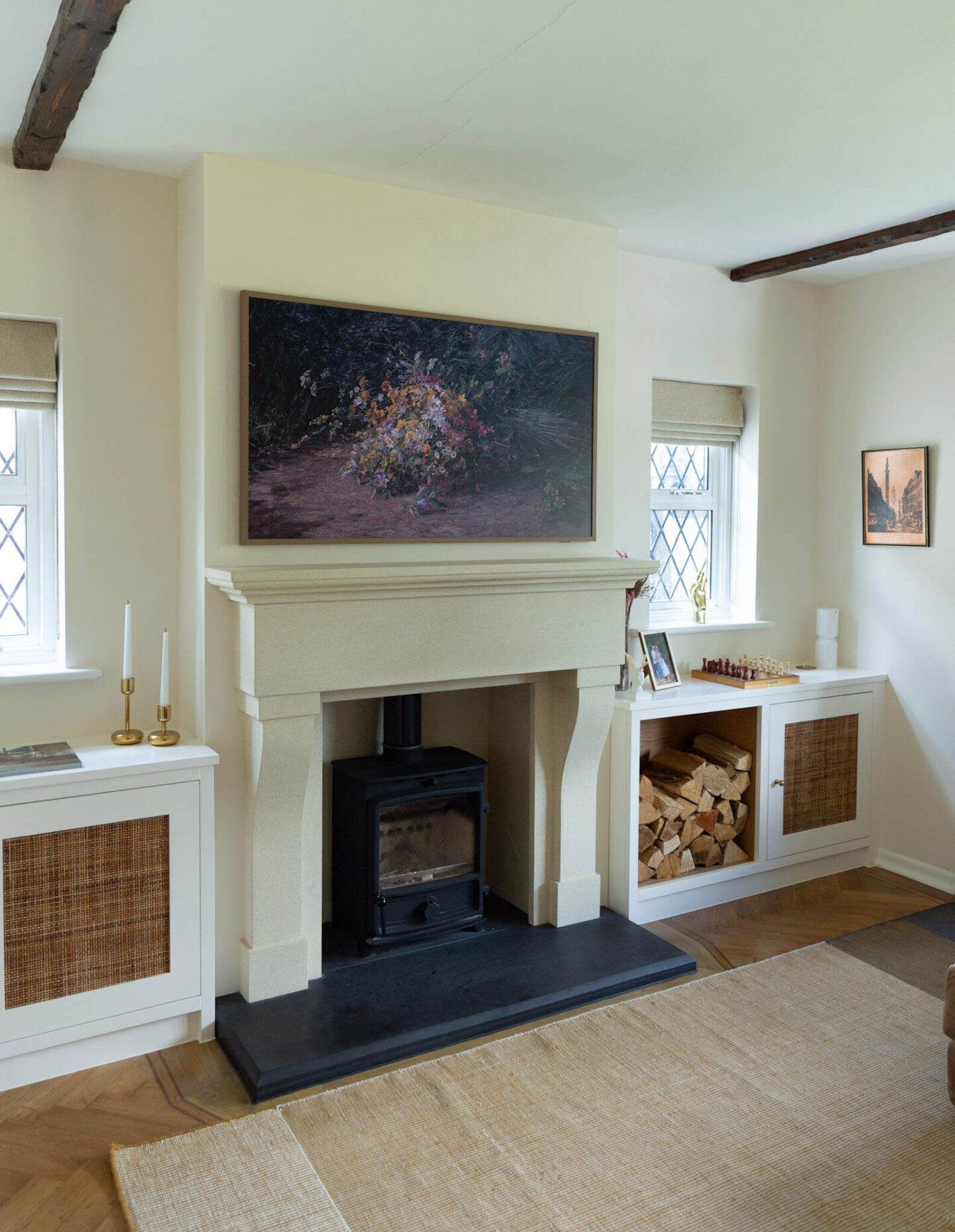
Everyone has a different preference when it comes to deciding which room to renovate first. I used to prioritise the rooms I spent the most time in, but these days I tend to focus on smaller projects first because I know they’re more likely to stay within budget. Most of our bigger room renovations have ended up costing more than we originally planned, which has meant having much less money to spend elsewhere. Because of that, I think it’s really worth waiting and saving for the bigger jobs and leaving them until last. It also means you can take your time planning them properly rather than rushing into a renovation before you’re ready. Of course, it’s entirely up to you how you approach your own home but that’s what I’ve found works best for us!
Make an Annual Plan
Having an annual decorating budget is essential, as is sticking to it. We usually choose one big renovation or a few smaller projects each year and leave a little buffer for unexpected costs. Slow decorating means planning and prioritising, but I’ve actually come to really enjoy it. I used to rush rooms, only to change my mind later, whereas now I’m much happier with the results (and having a clear budget makes the whole process feel much less stressful).
Five Years On
Five years on, I think the biggest lesson I’ve learnt is that a home really does take time. When we first moved in, I had so many ideas about what I wanted to change and how quickly I wanted to do it. Looking back, I’m actually glad we didn’t rush. We’ve learnt how the house works, what we really need from each room and, perhaps most importantly, what is worth spending money on and what isn’t. There are still plenty of projects on the list but I’m no longer in a hurry to tick them all off. If you’re buying a home, my biggest piece of advice would be to give yourself time. Live in it, get to know it, make mistakes, change your mind and let it evolve. After all, you’re not just renovating a house. You’re creating somewhere you’re going to live for years to come.

