It’s been five years since we moved into our current detached period property in the suburbs, and while it hasn’t always been plain sailing, it feels like a good time to reflect on everything we’ve learned along the way. Over a decade ago, we bought our first 1930s semi in the suburbs (you can read about living in a 1930s house pros and cons here), and just over 10 years later, we did it again (although this time our new home was built a little earlier, in the late 1920s). So if you’re wondering about the differences between a 1920s detached and a 1930s semi, you’re in the right place.
I suppose living in an older house can’t be too bad, given that we chose to do it twice. Both homes have been the right choice for us at the right time. Our first home was where we got our foot on the property ladder and brought up our babies. Then it was time for something a bit bigger, more complex and more exciting. Owning both houses has taught us so much about period property ownership, from unexpected repairs and renovation challenges to the quirks and character that make these houses so special.
From a 1930s Semi to a 1920s Detached House
Our first house was a typical 1930s chalet-style semi-detached in the London suburbs. It was compact but functional. The biggest challenge, like in many houses of this era, was that nothing was open-plan. We had to build an extension just to create some sort of open-plan living space for entertaining guests. We couldn’t build into the garden either, as it was quite small, so space was limited (although looking back, it was more than adequate). The small kitchen was perhaps what pushed us to look for a bigger house in the first place.
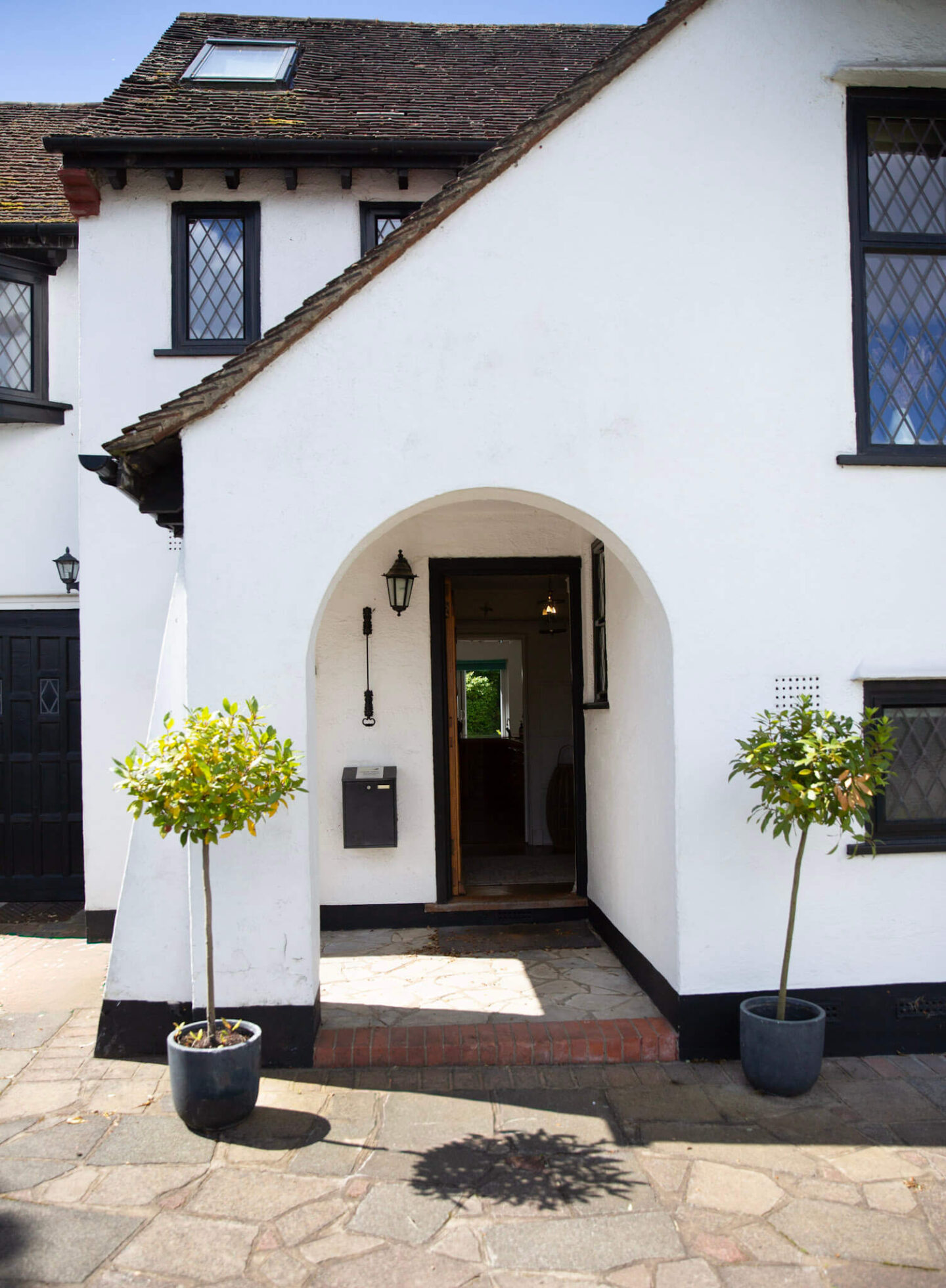
Our current 1920s English cottage-style house is detached, so there is naturally much more space. The rooms are larger and the ceilings at least appear higher. The architecture feels more traditional, with arched doorways, rustic wooden beams, original parquet floors and a wooden front door. We were very lucky that the previous owners had already extended it and there is still room to extend further, thanks to the larger garden. It feels cosy and grand at the same time, but never impersonal or cold in the way some larger houses can feel. That said, bigger houses come with their own set of challenges too, which I’ll talk about soon.
Period Features and Character
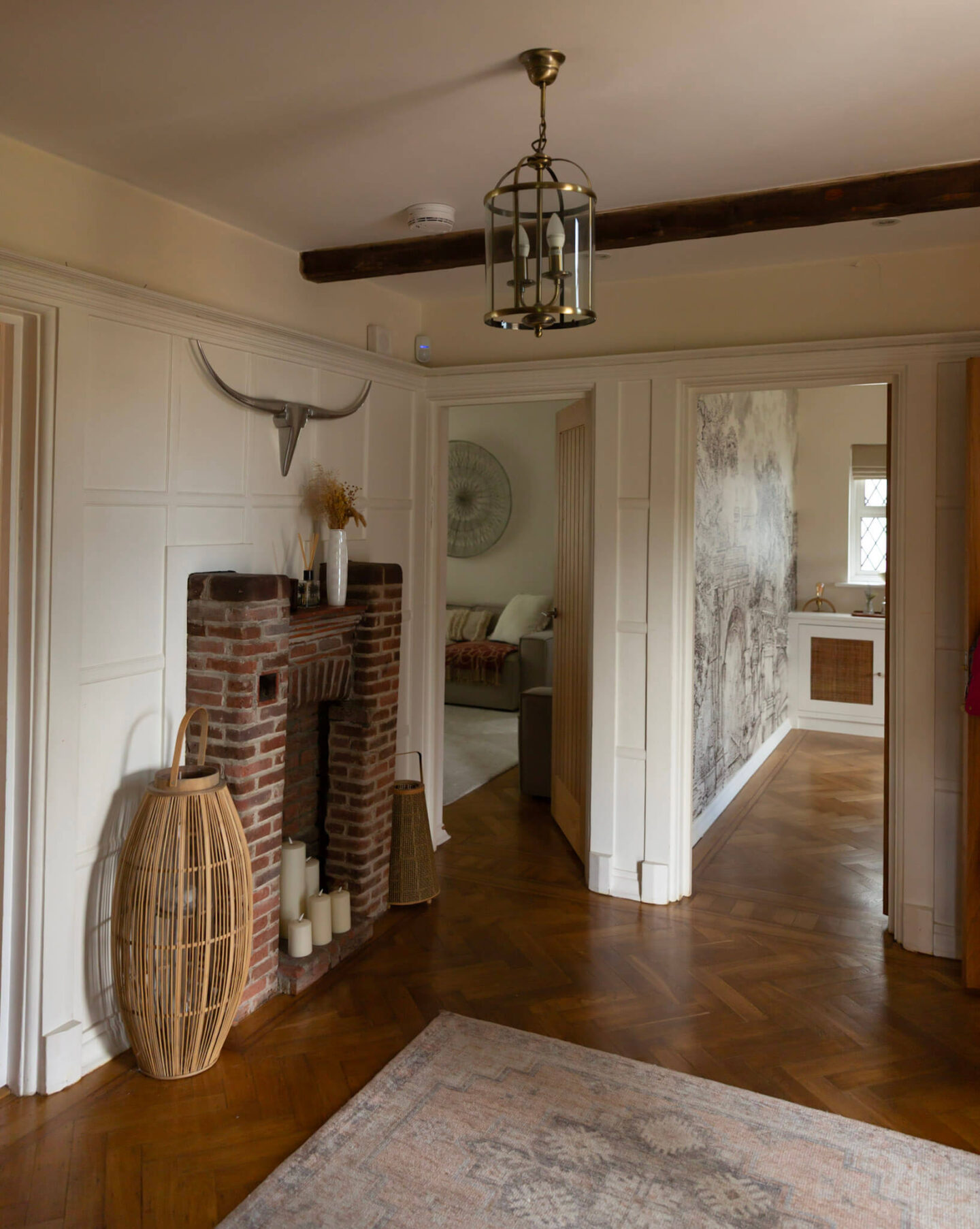
The original hallway fireplace,oak parquet flooring, rustic beams and wall panelling
The period features in the new house are far more impressive in our older house, including rustic wooden beams, wood panelling, leaded windows, original fireplaces, parquet flooring and a larger garden that adds to that semi-rural garden suburb vibe. We actually made the bold decision to demolish one of the original fireplaces (read here) and replace it with a French-style one, which I do not regret, although I understand it is not a choice everyone would make. We have kept one of the original fireplaces in the hallway and I would not change anything else, including the inglenook fireplace and oak framing. It is truly special to us and adds so much character, taking you straight back to the late 1920s.
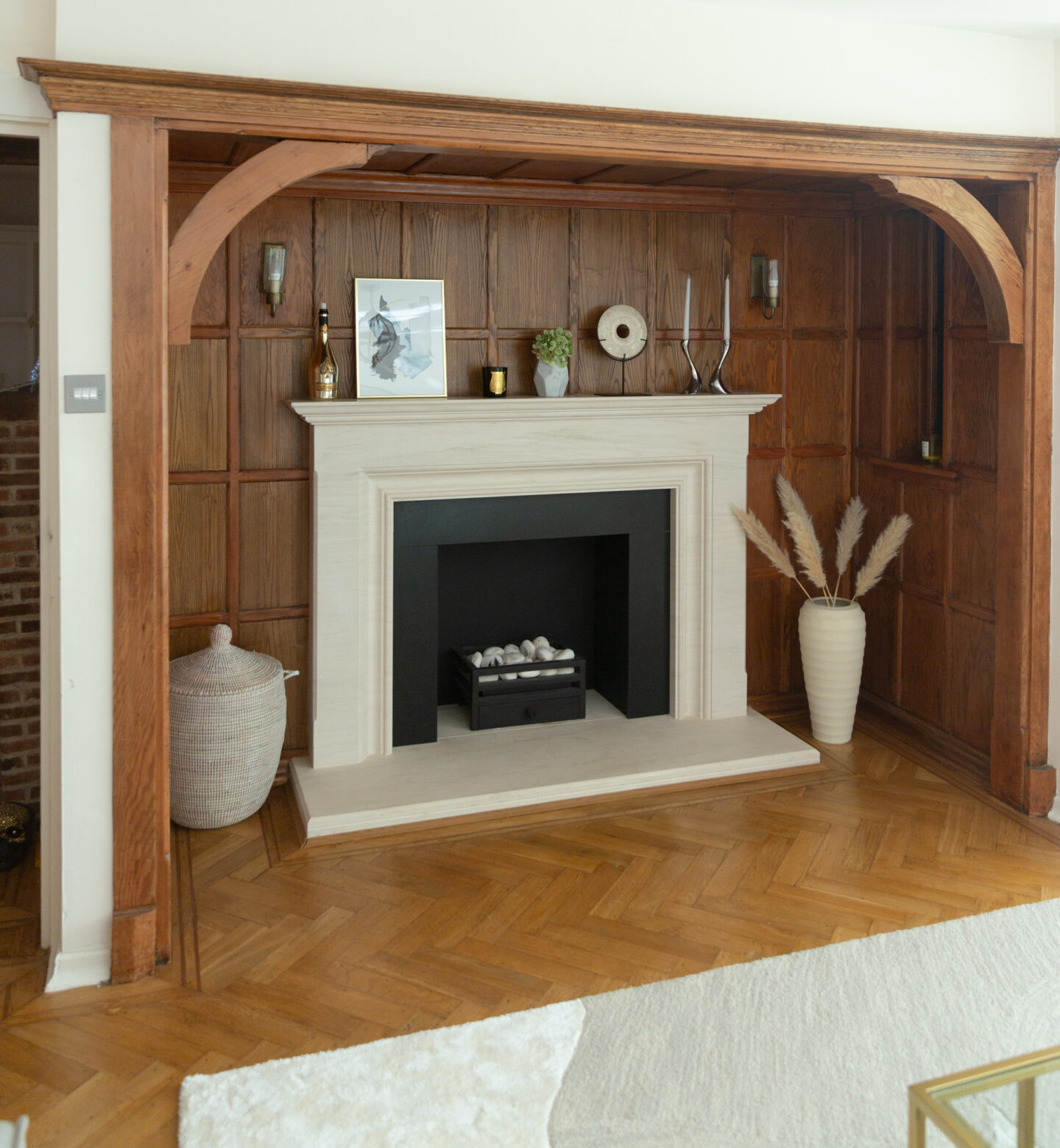
Original inglenook framing paired with a new French-style fireplace mantel
Bigger Rooms Mean Bigger Furniture
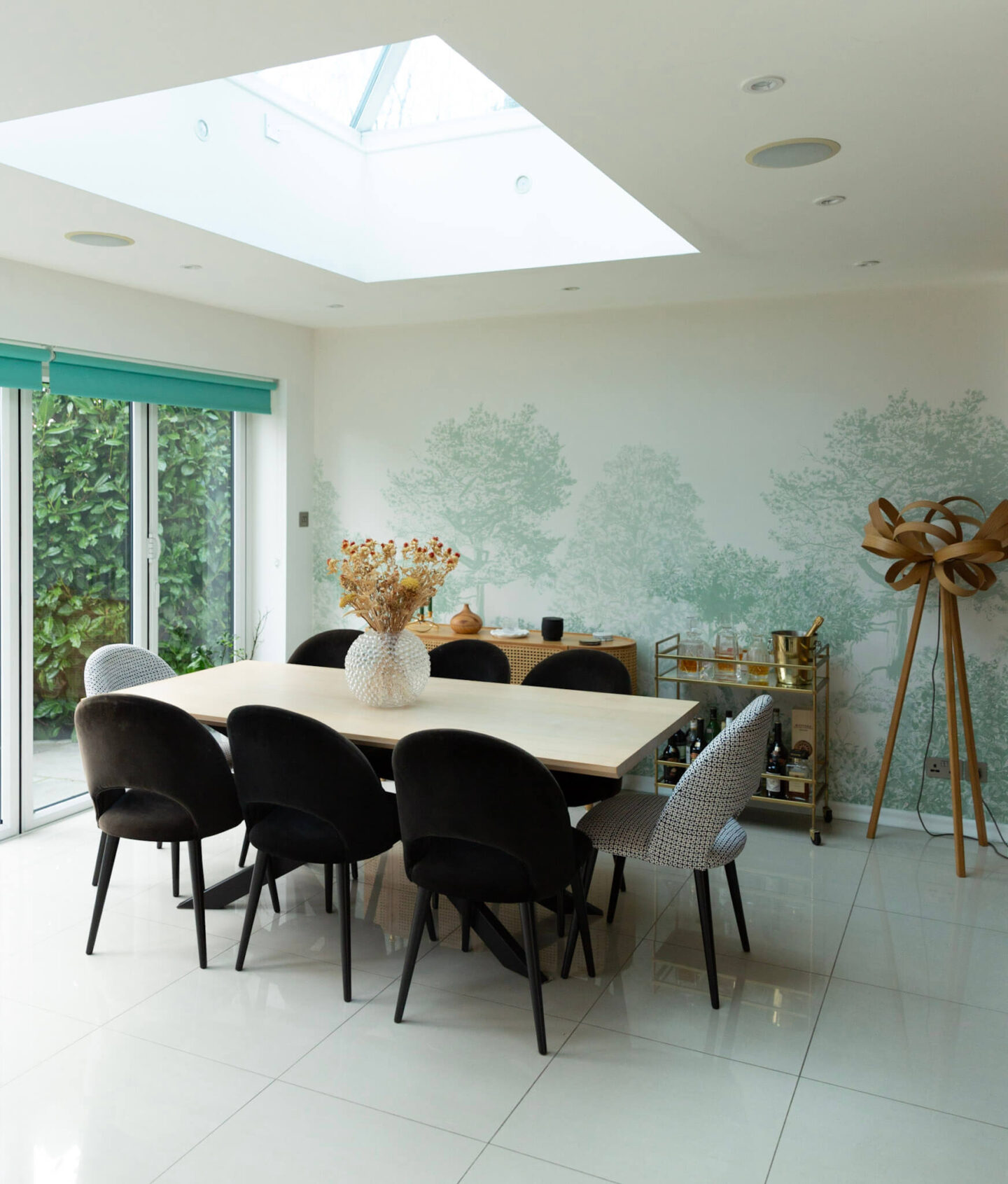
Extended dining room
The rooms are a generous size, which is lovely, but you do need to factor in that standard furniture can sometimes look out of place or too small. For example, in our living room we had to opt for a large coffee table, modular sofas, and a substantial area rug to properly fit the space. Furnishing a bigger house often means buying larger pieces, which also comes with higher costs. It’s definitely worth it, but it’s something to keep in mind when planning and budgeting.
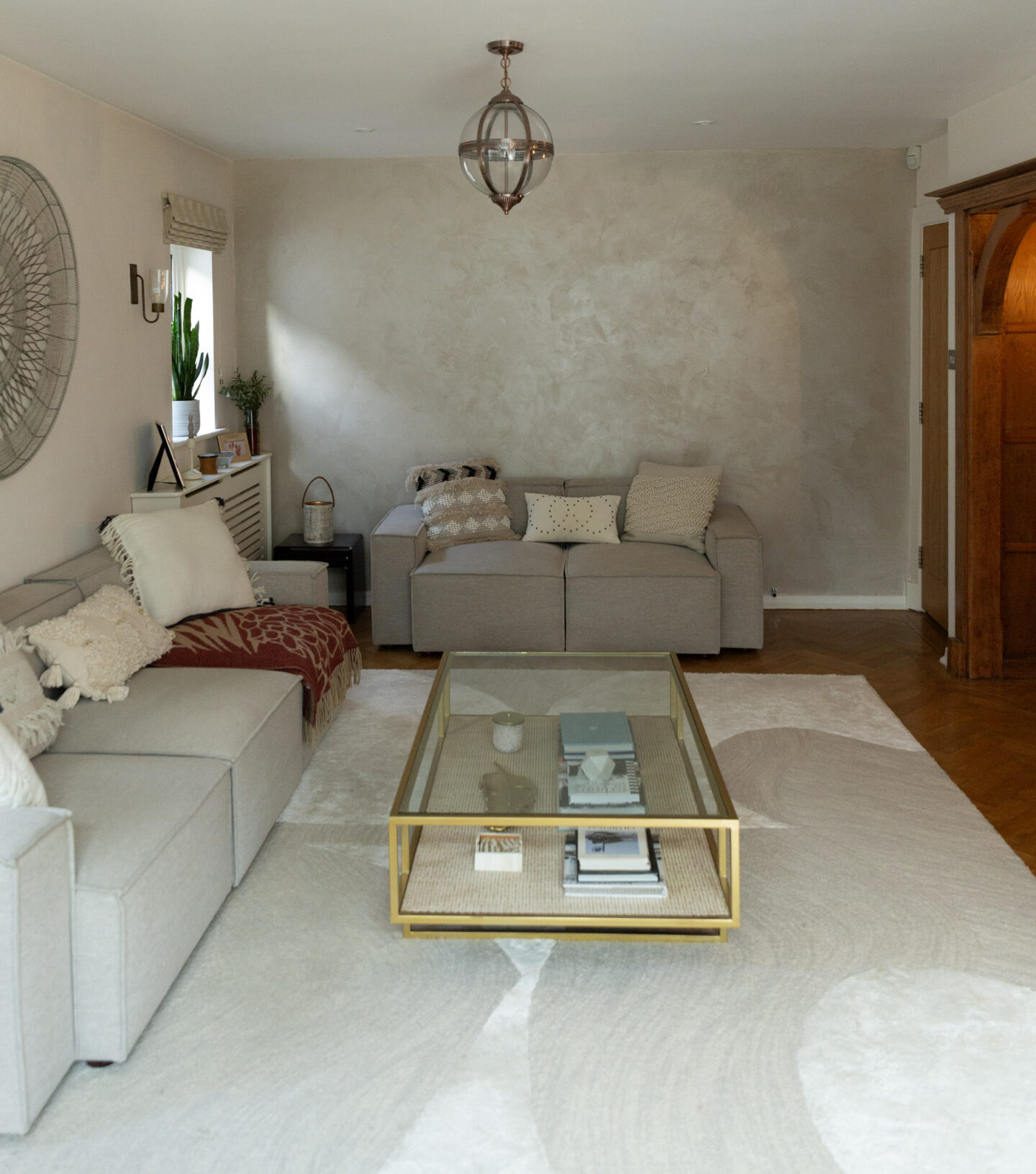
A mix of period character and contemporary design
Less Natural Light Than a 1930s House
One thing I’ve found interesting when comparing our 1920s house with our mid-1930s home (1933 to be exact) is that there seems to be noticeably less natural light. Our previous south-east-facing home was filled with light throughout the day. The older property feels moodier and darker in comparison, which makes good artificial lighting essential in certain rooms. I don’t mind this at all, but if natural light is very important to you, it’s definitely something worth taking into consideration.
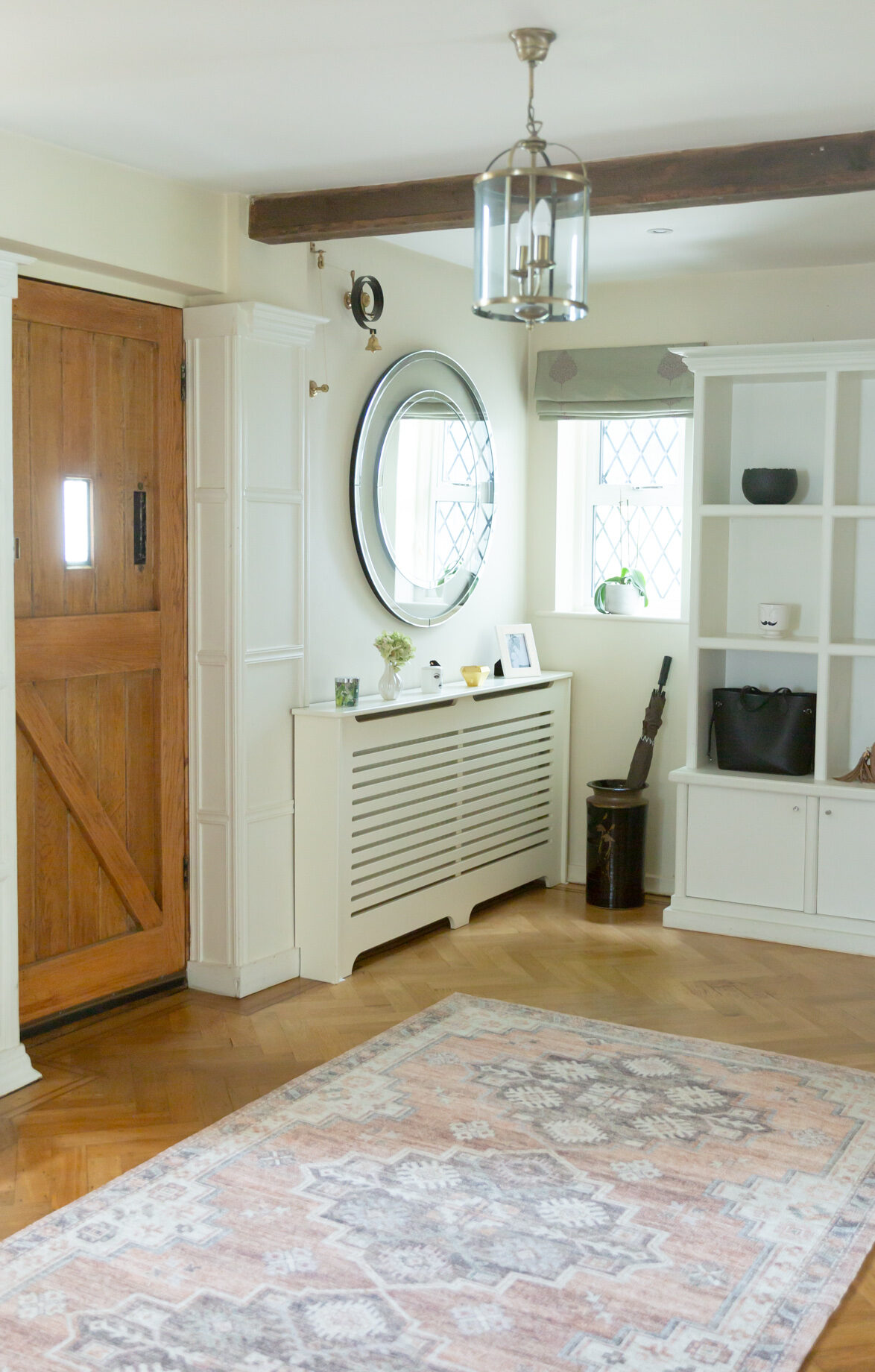
Original wooden front door and the house’s old butler’s bell
Bigger Garden, More Work
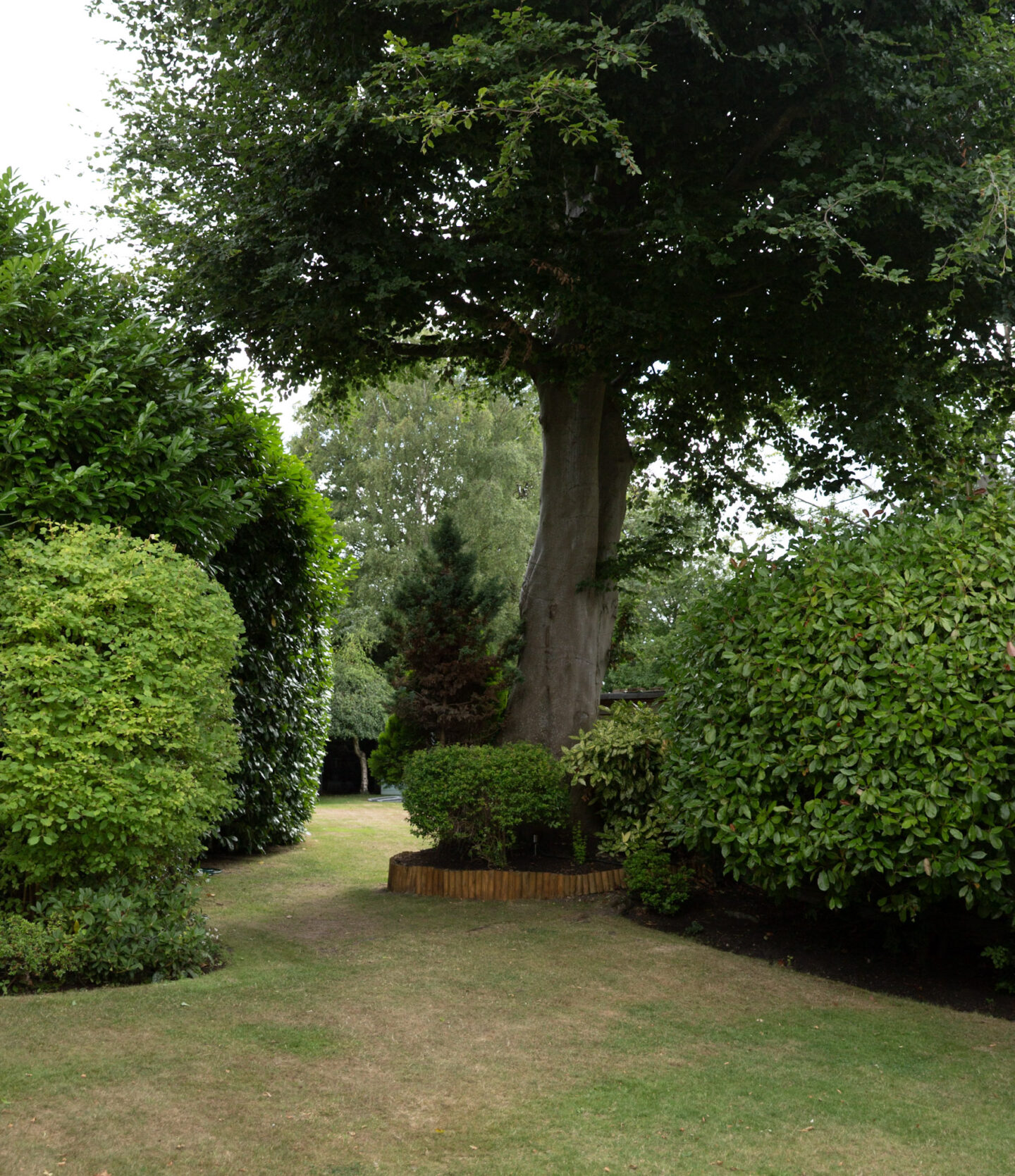
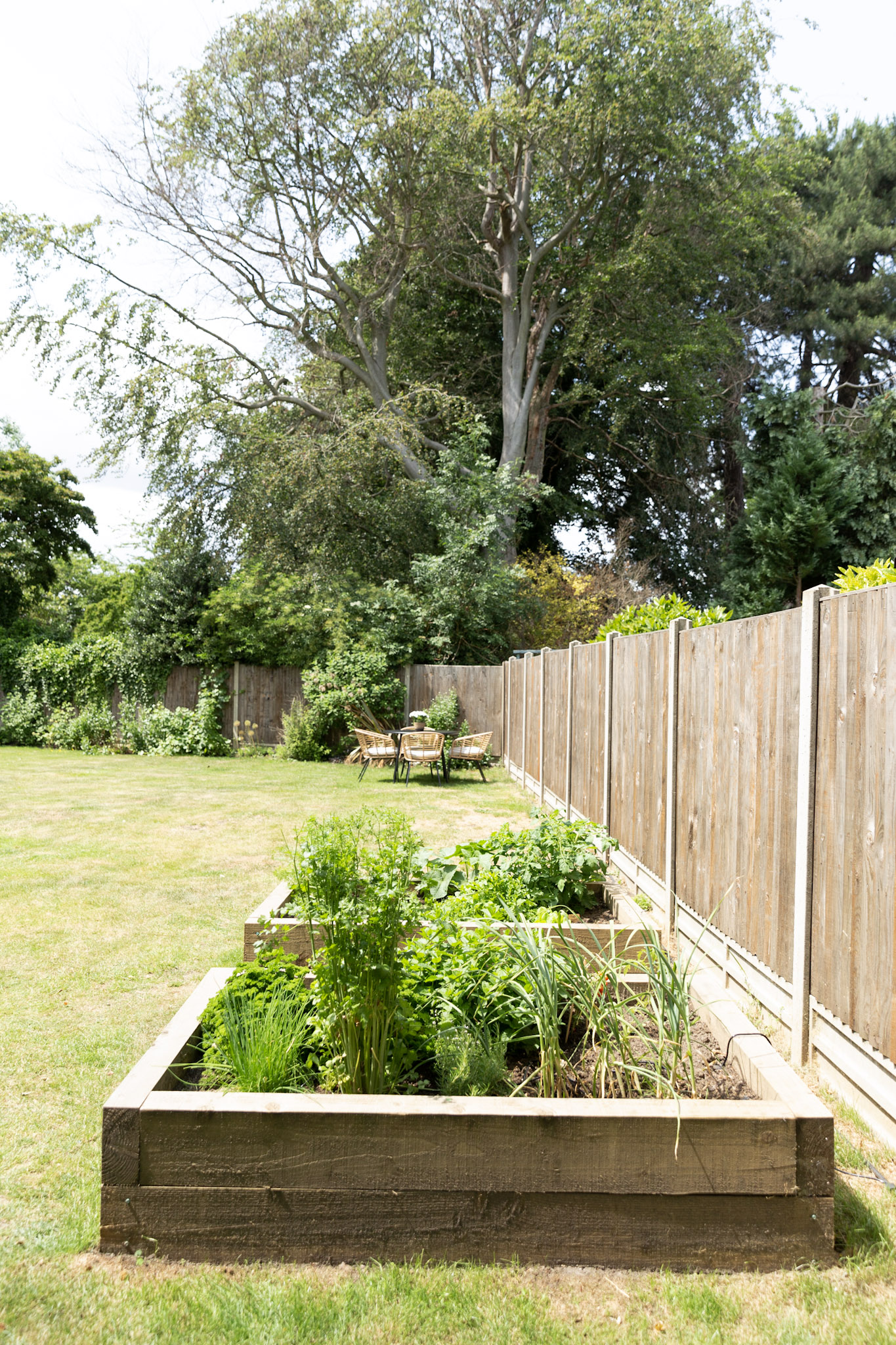
Mature garden with established trees in our 1920s home, extended by previous owners
I absolutely love our big garden and, in fact, the previous owners bought half of the neighbouring garden backing onto us (lucky us, I know). However, this also means there’s a lot more gardening work to do and bigger trees to manage. We’ve already spent a small fortune trimming trees and this needs doing every few years or so. Interestingly, trees can actually grow back faster after being cut. On the positive side, we have lots of privacy and lovely wildlife around us, which makes it all worthwhile. But it’s definitely a significant extra expense.
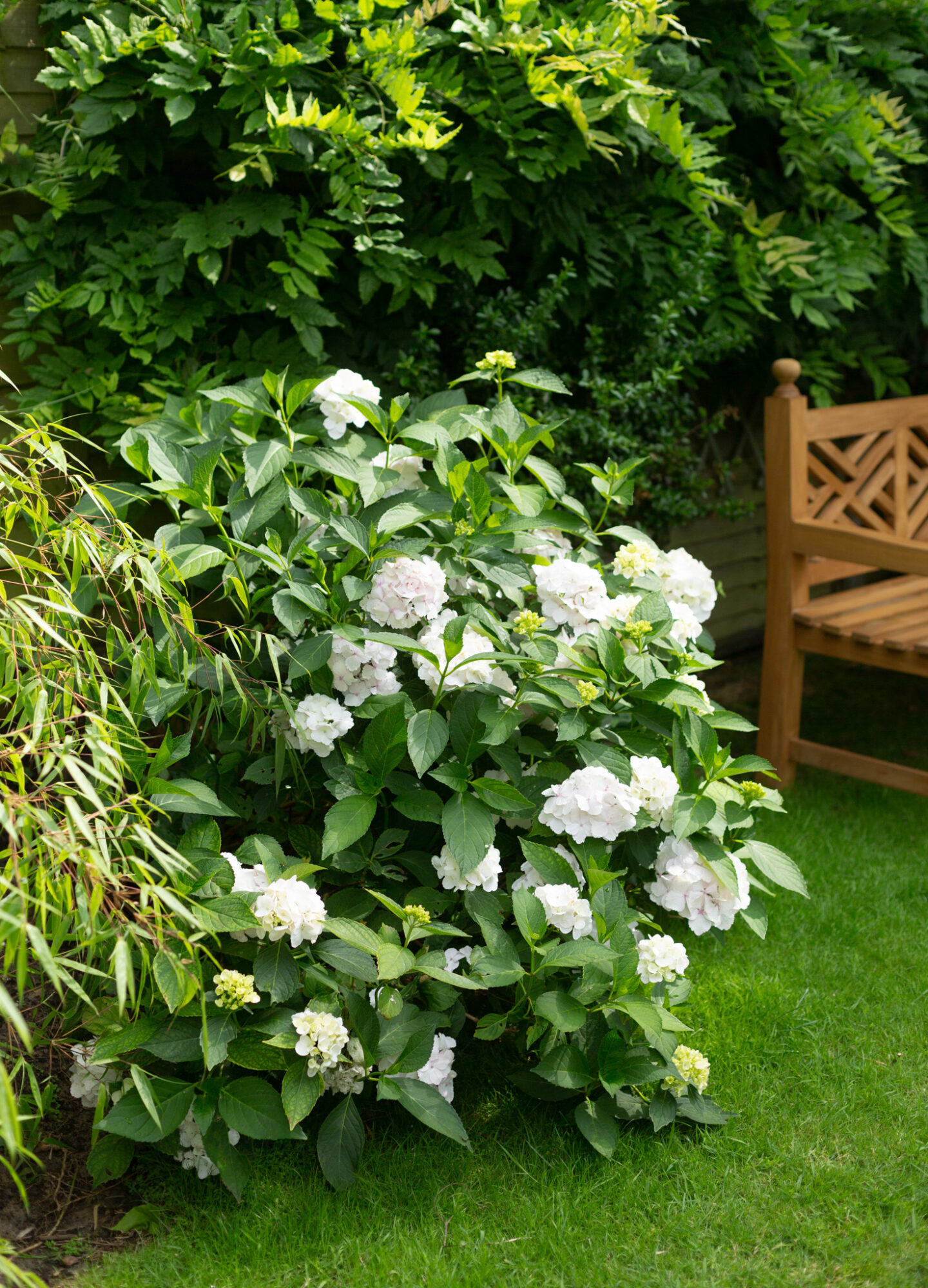
We are so lucky to have so many established shrubs and flowers in the garden. A few years ago, we also added a vegetable patch, and now, during the summer months, we can harvest herbs and fresh salad from it. We’ve also got grapes, raspberries, and blackberries growing, which makes it even more rewarding. So, we’re gradually becoming more self-sufficient, bit by bit. It definitely helps that we have a south-facing garden, which the plants and flowers absolutely love.
Living in a Conservation Area
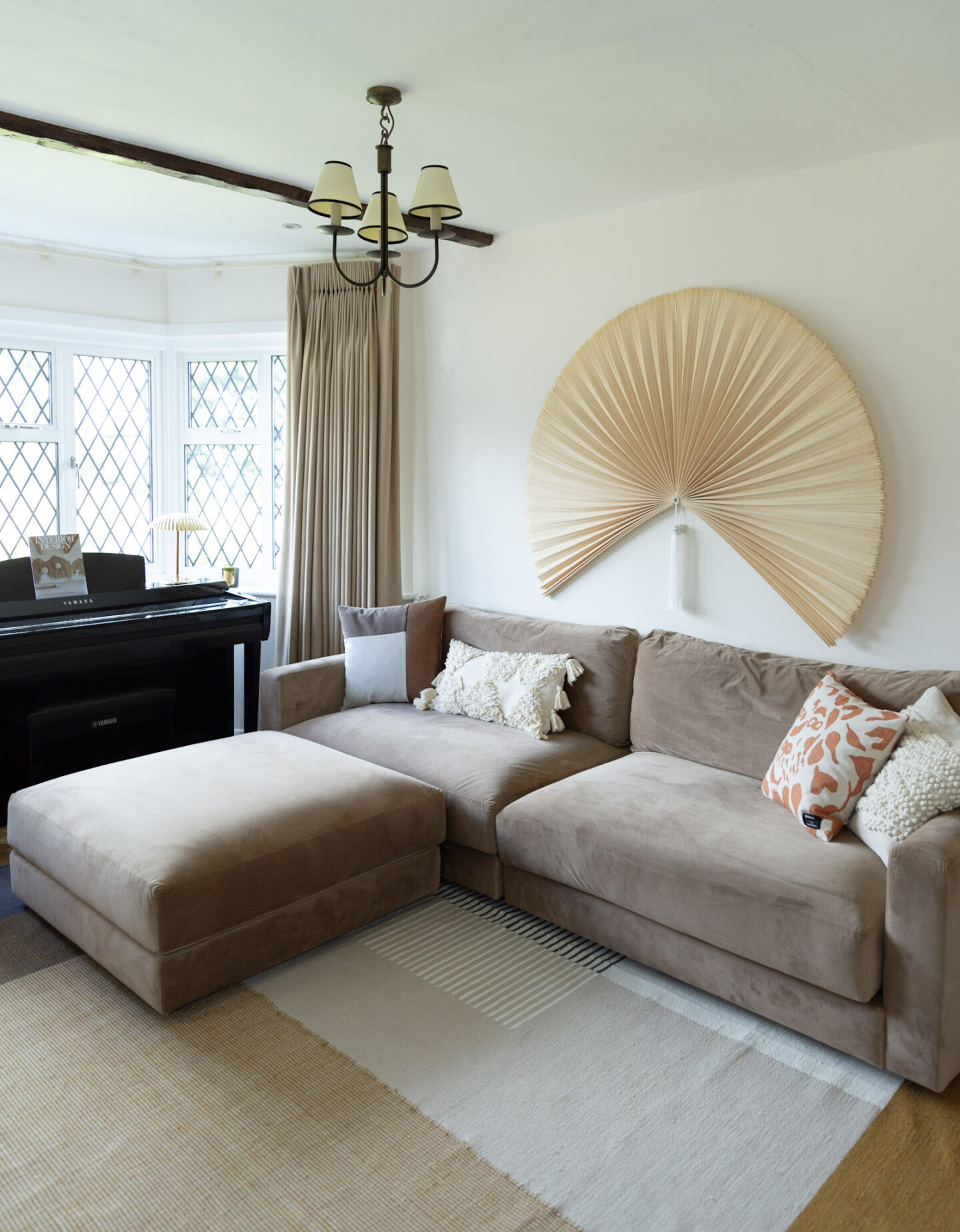
Beige velvet modular sofa in our 1920s living room with a large leaded bay window
This leads me to the fact that we now also live in a conservation area. So if we decide to cut down trees, we need approval from the council first. It also means that the houses should retain a consistent look — for example, you can’t just paint your front door pink if you fancy (not that I’m planning to anyway!). The windows have to remain uniform from the street, and any brickwork repairs need to match the existing style, as does the chimney. There are quite a few rules when living in a conservation area compared to our previous house, and although we were fully aware of this before moving in, it does affect what you can and can’t do.
Plumbing Issues in Older Copper Pipework
On the surface, the house appeared to have been recently renovated (and, in fact, it had been renovated about 10 years earlier). However, we started noticing a few issues within the first year. The first sign of trouble was a drop in water pressure, which turned out to be caused by a leak beneath the dining room floor. The leak was caused by a fault in the copper pipework (or, more specifically, in one of the pipe fittings). While the repair seemed fairly straightforward on paper, dealing with the damage and disruption once the leak occurred was a real nightmare. We also ended up upgrading the hot water cylinder to a Megaflo due to some issues with the old one. These problems aren’t necessarily unique to large houses, but the larger the property, the more systems there are to maintain and the more issues you’re likely to encounter over time.
Draughts and Temperature Fluctuations
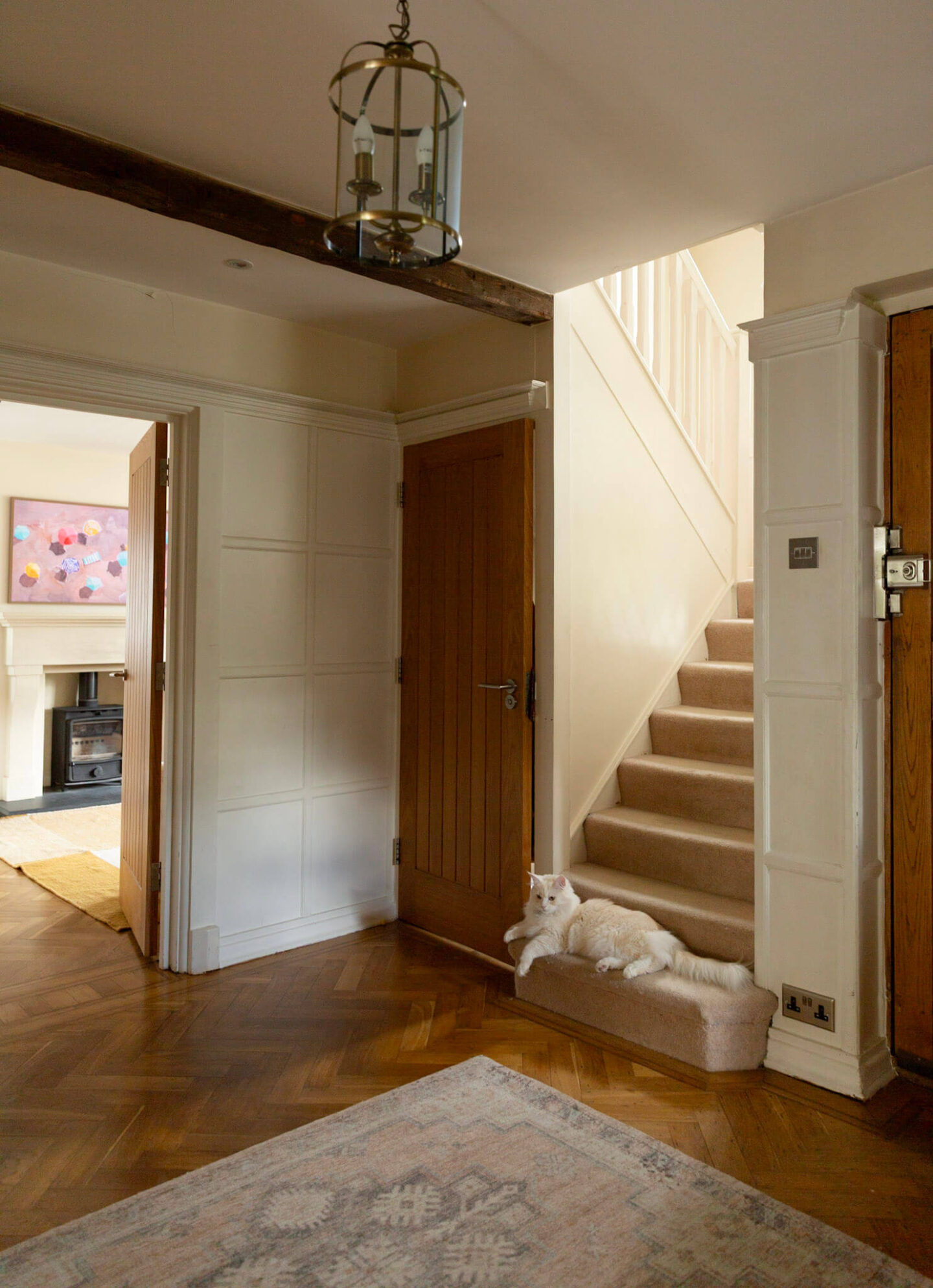
Original parquet flooring, beams and a curious cat
An older, larger house inevitably comes with its fair share of cracks and gaps in the floors, and you can definitely feel drafts in certain rooms, particularly the hallway. We also get dust trapped in the cracks, so an older house is definitely dustier than a new one. Another consequence of these gaps is that we get far more spiders making their way indoors through them. Fortunately, that is something our Siberian cat, Lumi, seems to enjoy dealing with.
Higher Heating Costs (and a Log Burner)
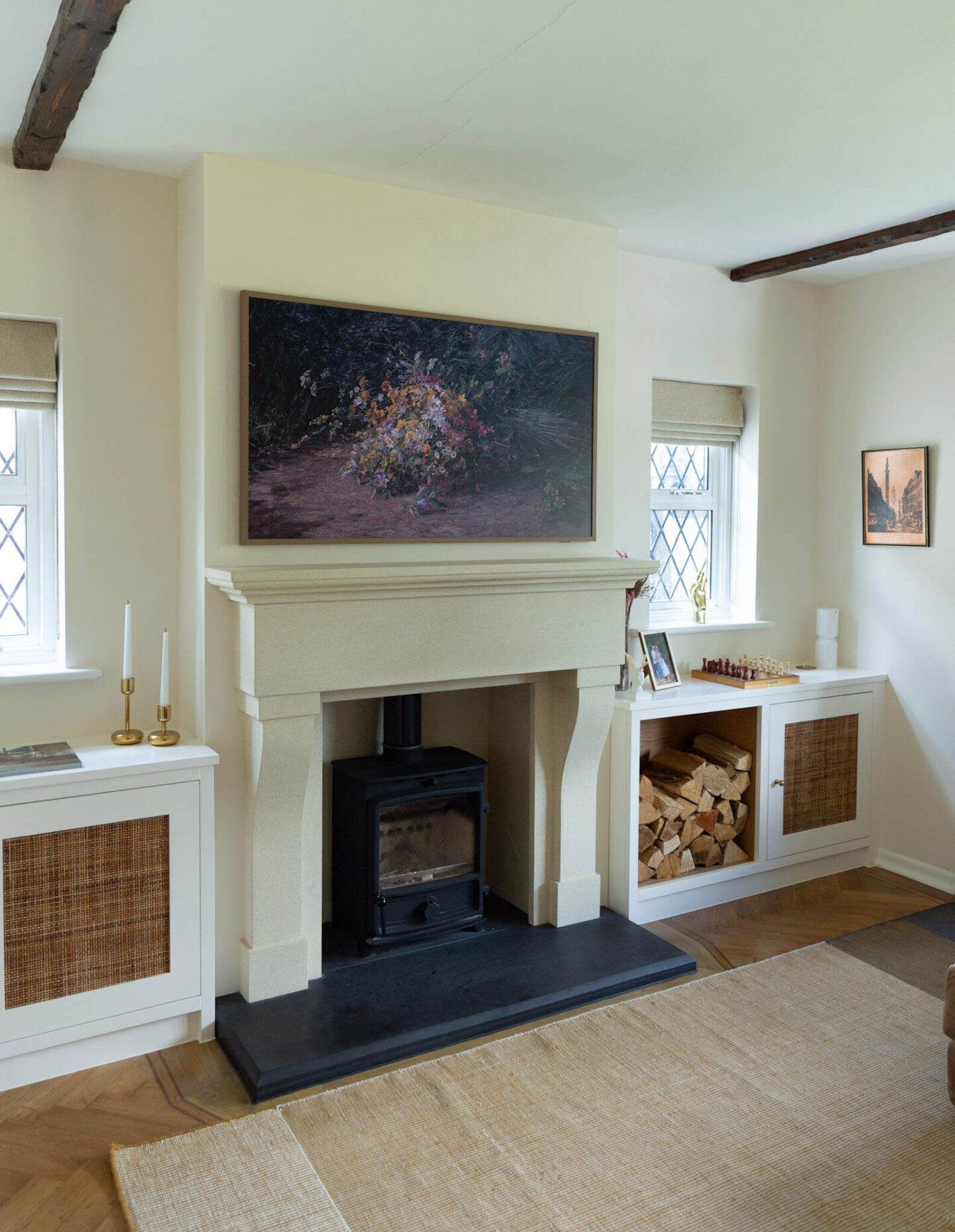
New fireplace mantel installed as part of the room renovation
All of this naturally leads to higher running costs, as heating a larger, older house is significantly more expensive than heating a modern, well-insulated property. The drafts and temperature fluctuations mean that the heating system has to work much harder to maintain a comfortable indoor temperature. And, of course, it’s not just the heating bills that are higher (virtually every aspect of maintaining and running a larger home comes with additional costs). To help offset some of these heating challenges, we installed a log burner downstairs. It has made a noticeable difference during the colder months. One of the biggest surprises has been how effectively the heat travels throughout the house. Once the burner has been running for a while, the warmth gradually spreads upstairs, helping to keep the bedrooms and landing more comfortable without relying solely on the heating.
Eaves Storage
I absolutely love our eaves storage spaces. There are several of them on the first floor, and we also gained additional storage when we converted the loft. Having so much built-in storage is a real luxury and we’re very lucky in that respect. It’s one of those features that you don’t fully appreciate until you’ve lived in a house with plenty of space to tuck things away.
So, What Have We Learned?
It is funny how different this feels compared to my previous posts from over ten years ago. Some of the challenges are the same, as typical 1920s house problems and the realities of living in a period property in the UK don’t change much over time, but overall there are just as many pros as there are cons. The houses from the 1920s are just as well built as those from the 1930s, which is something you just don’t get with new builds these days.
And I truly believe moving to our 1920s detached house was the right decision for us as a family, even though the renovation is taking longer than expected. I am doing everything much more slowly now. In our previous house, I made a few hasty decisions instead of waiting and saving a little longer to get exactly what I wanted. This time around, we are not taking shortcuts or settling. We are doing things properly for the long term, which makes far more sense in a home we plan to stay in. I am also embracing the original features much more and trying not to turn the house into something modern. My favourite thing at the moment is mixing old period features with modern furniture, something you may have noticed throughout my blog for quite some time now. It is a blend that feels entirely natural in a home like this and one I never want to stop exploring.