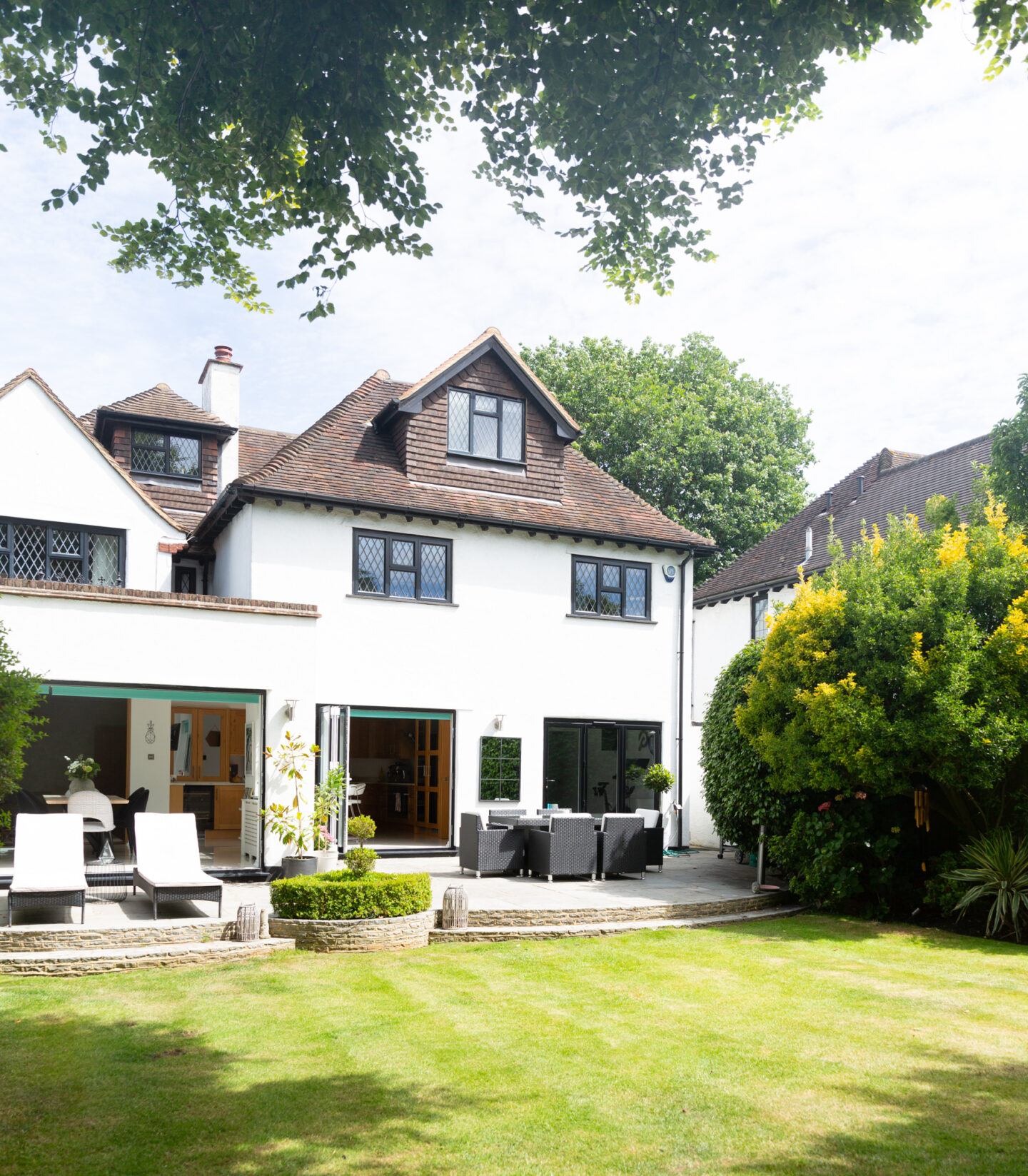
As the weather begins to warm, it’s the perfect time to turn your attention back to the garden ahead of summer. Ours always feels a little neglected after the winter months, and by the time March arrives, I’m keen to get everything looking fresh again.
I usually start planting vegetables in late February, using that time to slowly assess what the garden needs as it begins to come back to life. More often than not, it’s simply a matter of seeing what’s survived the colder months. There’s always plenty to tackle, but breaking it down into smaller, manageable jobs makes the whole process feel far less overwhelming. There are certainly a few additions I’d love to see in our garden, and the wish list is steadily growing.
So, let’s take a closer look at a few thoughtful upgrades that could make outdoor living all the more enjoyable.
A Well-Designed Deck
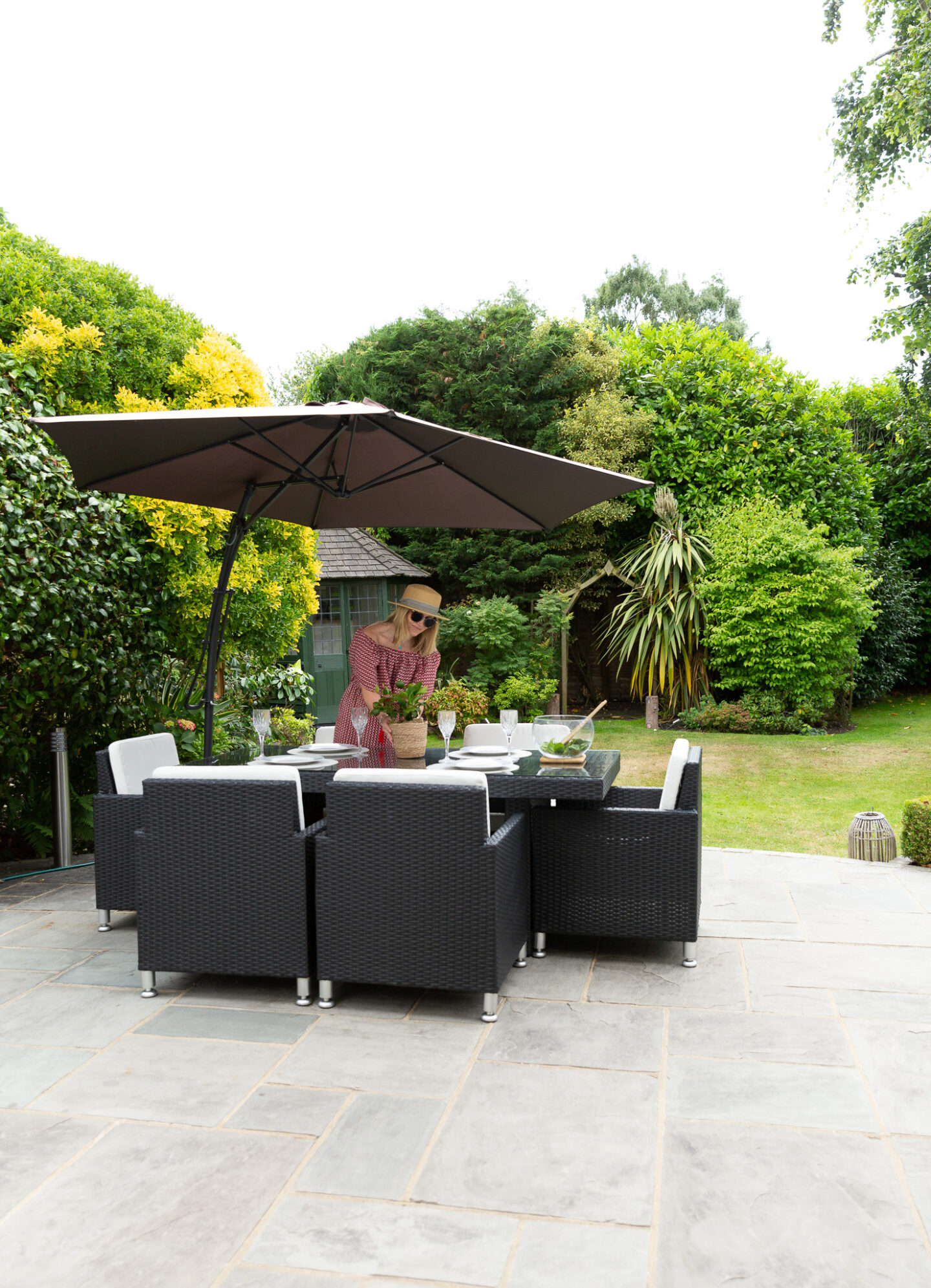
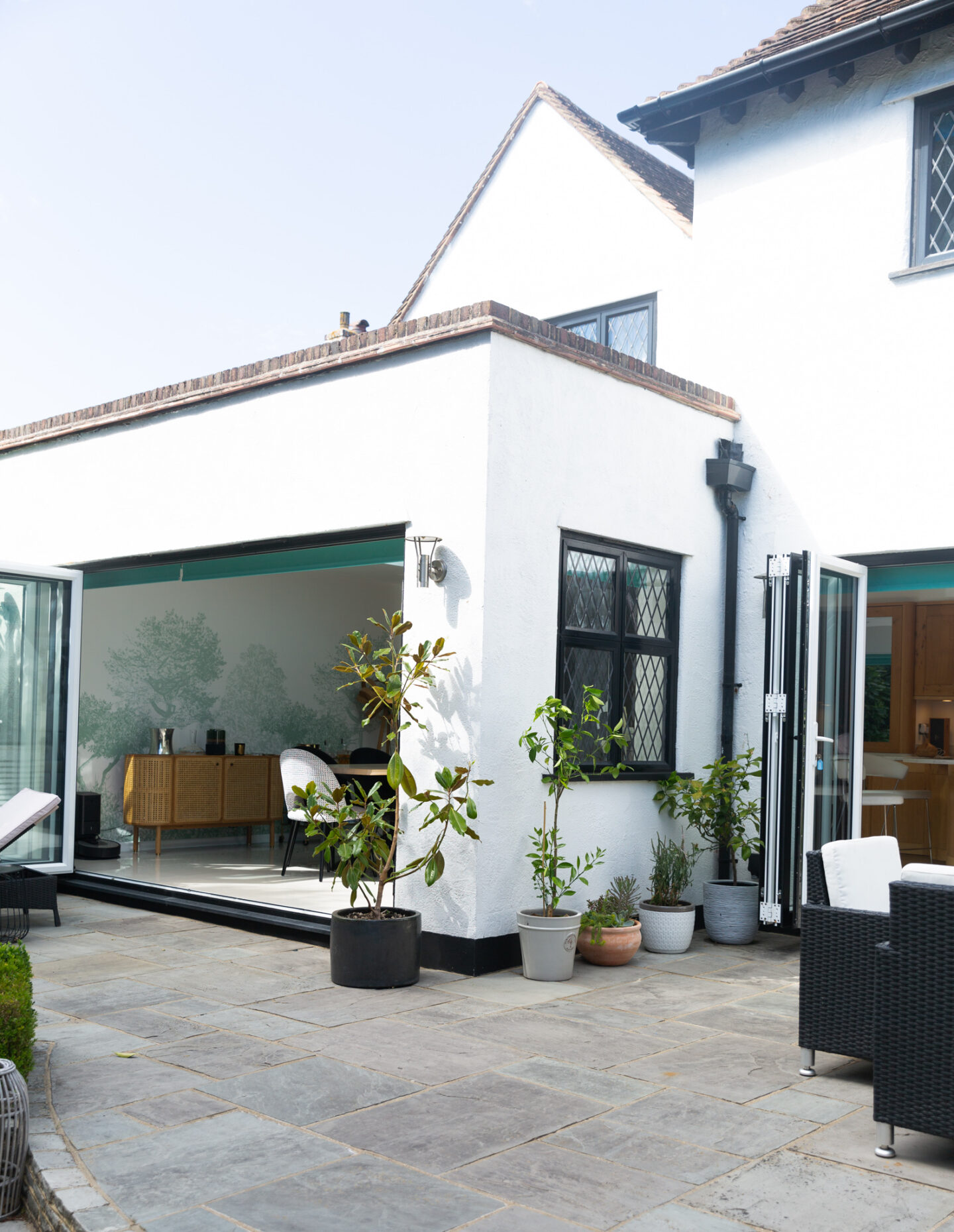
Having a functional, well-sized deck or patio has always been important to me. It’s an investment worth making and can often be surprisingly affordable, depending on the materials you choose. Since moving into our house, our garden patio has served as an extension of our living space. The double doors open directly onto the deck, making the transition from indoors to outdoors completely seamless. In the warmer months, it becomes our dining, entertaining, and living area. I love the soft breeze drifting through on a sunny day, too. I spend most of my time here, and every effort to create this space has been worth it.
Covered Outdoor Areas
This is now firmly on my wishlist. Often, the weather is the reason people can’t fully enjoy their outdoor space, and having a partly covered area solves the problem — whether it’s a pergola, an awning, or a simple parasol. Rain or strong sun can quickly take the fun out of garden living, so it’s best to be prepared, and you’ll get far more enjoyment from your space.
A covered area also has practical benefits: it protects cushions, reduces maintenance, and extends how often the space can be used. There’s also a psychological shift when part of the garden feels sheltered. It starts to feel more like an outdoor room rather than just an open lawn. People sit longer, bring out nicer furniture, treat the space with more care — it truly becomes an extension of the house. You’ll be surprised at how much more time you end up spending there!
Outdoor Lighting That Makes Sense

Just like with interiors, never underestimate the power of good outdoor lighting. You shouldn’t rely on a single fixture; instead, use multiple lights dotted around the space. Layered lighting works beautifully outdoors — it’s practical, highlights key features, and creates atmosphere. The goal isn’t to flood the garden with brightness, but to make it feel calm, inviting, and usable after sunset.
Lighting also contributes to security. A well-lit garden is less appealing to unwanted visitors, and motion sensors can be added without turning the space into a spotlight. It’s all about balance, not excess.
Outdoor Kitchens or Cooking Zones
One of my favourite things about summer is those long barbecues with friends and family. But designing an outdoor kitchen or cooking area does take a bit of planning. Grills are often placed without much thought — either too close to the house or too far from seating areas.
Being a hostess without any counter space can be tricky (all those trips back and forth to the kitchen!), but creating a small cooking zone can make a huge difference. If you’re lucky enough to have the space, adding storage is also a game-changer. I’ve seen some truly stunning outdoor kitchens on Pinterest, complete with fridges and sinks — definitely dream-house territory. Maybe one day!
Comfortable, Durable Seating
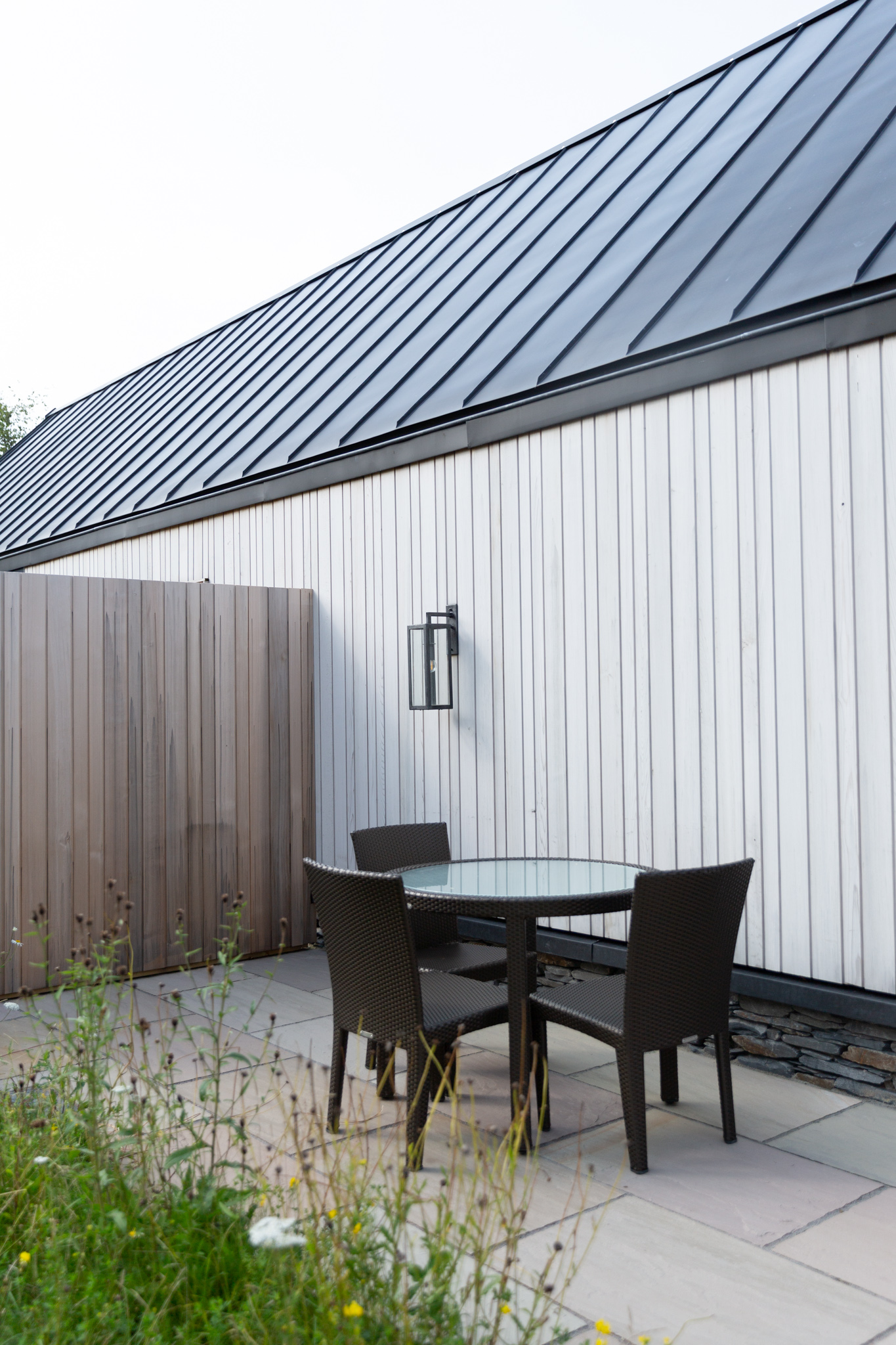
Of course, good seating — both for lounging and dining — is essential for outdoor living. Don’t just buy the cheapest or quickest option; do your research and invest in quality materials that will last. Rust is a real issue, so using furniture covers or storing pieces away over winter is wise. Wood and metal furniture both require protection, though if the worst happens, you can always sand and re-stain them — ideally, you shouldn’t need to do this every year.
Comfort is just as important as durability, so choose weather-resistant cushions that hold their shape and colour. The layout matters as much as the materials: seating should encourage conversation. Chairs angled slightly toward each other, rather than lined up against a wall, feel more inviting and sociable. Adding small tables within easy reach creates convenient spots for drinks and snacks, making the space both practical and welcoming.
Landscaping With Purpose
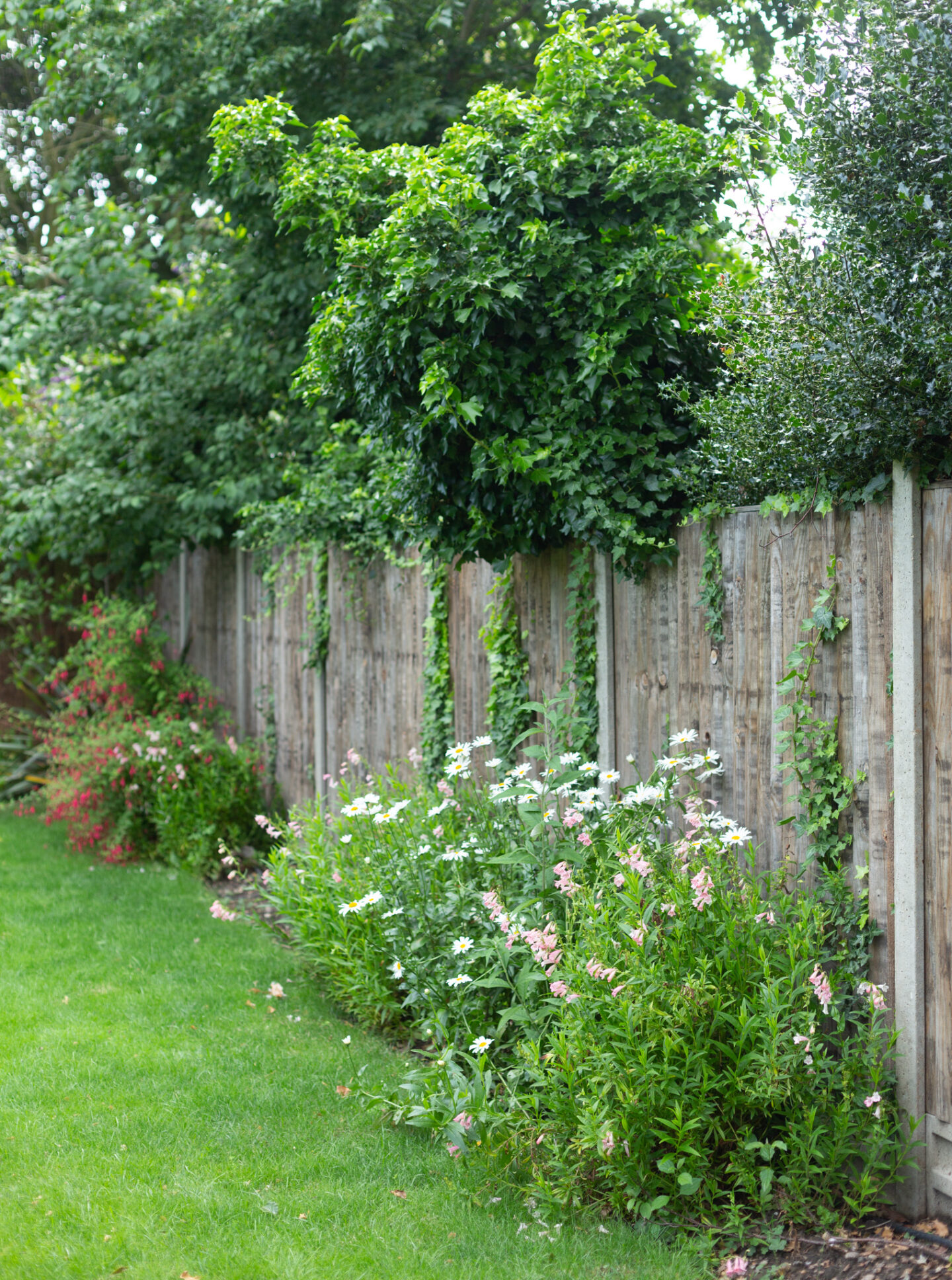
Landscaping is so much more than simply picking pretty plants and planting them wherever you fancy — I would know! It’s important to consider your garden’s sunlight, scale, and layout. Thoughtful landscaping takes into account growth patterns, maintenance needs, and privacy. Taller shrubs can create natural screens between neighbours, while low plantings can define pathways. I’m definitely still learning, but I’m getting better all the time!
Native plants are a smart choice, as they require less water and adapt more easily to local conditions. This not only reduces long-term maintenance and costs, but also supports local ecosystems — something that matters to homeowners more than it did a decade ago. Landscaping should reflect how you use your garden, your lifestyle, and your habits. If you love cooking, for example, why not include a vegetable patch like I have, so you can enjoy fresh, organic produce straight from your garden?
Fire Features for Extended Use
Now, although we all hope for a warm summer, temperatures can be unpredictable, so it’s wise to be prepared. A simple fire feature can be a lifesaver on cooler evenings or early spring nights. Firepits are striking, easy to install, and add instant ambience, while built-in fireplaces create a strong focal point and help anchor seating areas.
Of course, safety is paramount. Proper spacing, fire-resistant materials, and good ventilation are essential. There’s something about a fire that naturally draws people together. It’s perfect for late-evening chats, and there’s a special calm when the garden quietly settles around you at the same time.
Final Thoughts
I know this may have felt like an overwhelmingly long list, but don’t feel that all outdoor upgrades need to happen at once. Take your time, observe how you actually use your garden, and prioritise the things that matter most to you. You don’t have to spend a fortune — many simple upgrades can be done yourself. Shop around, compare options, and focus on getting the layout and materials right.
When you find yourself spending more time outside, that’s usually the best sign that you’ve made the right upgrades!

